

¿Qué vas a encontrar aquí?
London is home to some of the most beautiful green spaces in the world, and exploring its gardens in London is a real treat for anyone who loves nature, tranquillity, and a touch of charm. From historic royal parks to secret spots hidden behind old brick walls, each garden has its own story. These spaces offer a peaceful escape from the city’s buzz, whether it’s for a lazy afternoon stroll, a picnic under the trees, or simply to watch the seasons change.
There’s something magical about discovering the variety of gardens in London, where every corner reveals a different mood. Some are wild and full of colour, others are perfectly manicured with elegant fountains and sculptures. Together, they showcase London’s deep connection with nature and its timeless appreciation for outdoor beauty. Visiting these gardens is like stepping into a living gallery where flowers, trees, and history all bloom together.
Best gardens in London
When it comes to gardens in London, the options are endless, and each one offers something special. From the regal charm of Kensington Gardens to the calm pathways of Chelsea Physic Garden, these places invite everyone to slow down and breathe. Many of them are steeped in history, with roots stretching back centuries, while others bring a modern twist to landscape design. They’re not just patches of greenery — they’re the heartbeats of the city, filled with life, fragrance, and stories waiting to be discovered.
Beyond the famous parks, there are smaller green oases scattered across the capital that deserve attention too. These natural retreats, much like campsites in London, offer a refreshing pause from the urban rush. Whether tucked away behind museums or hidden in quiet neighbourhoods, they give Londoners and visitors alike a chance to reconnect with nature and enjoy the city from a softer, greener perspective.
1- Royal Botanic Gardens, Kew
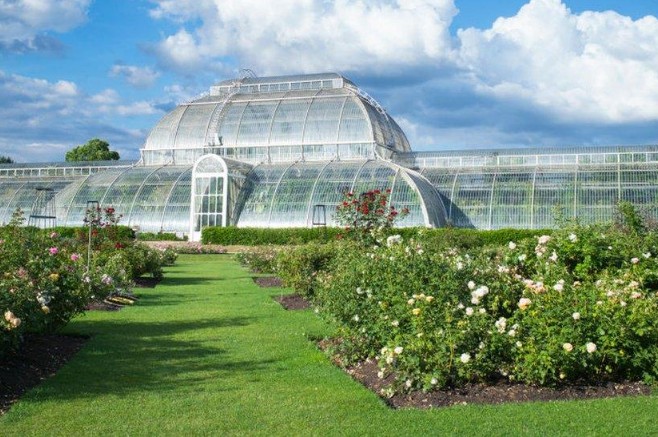
The Royal Botanic Gardens, Kew stand as one of the most captivating green spaces in London, offering a perfect blend of nature, science, and history. Spanning over 300 acres, this UNESCO World Heritage Site invites visitors to wander through a world of rare plants and majestic trees. The gardens are home to more than 50,000 living species, each carefully preserved and displayed. It’s a place where science meets beauty, showing how plants shape our planet. From the moment one steps inside, the variety of textures, colours, and fragrances creates an unforgettable sensory experience.
Kew Gardens is not just about flowers—it’s also a hub for global research and conservation. The Temperate House, the largest Victorian glasshouse in the world, shelters plants from Africa, Asia, and the Americas. Each corner reveals stories of exploration and discovery. The Palm House, with its tropical atmosphere, offers a striking contrast to the English weather outside. Walking through its humid pathways feels like entering another continent. Educational exhibitions and seasonal displays make each visit different, encouraging visitors to see how the gardens evolve through the year.
Beyond the plant collections, Kew’s landscape architecture is remarkable. Sweeping lawns, tranquil lakes, and ornamental borders provide a calm setting for reflection. The Treetop Walkway, rising 18 metres above the ground, offers a bird’s-eye view of the canopy. From there, one can appreciate the scale and harmony of the landscape design. The pagoda, a striking 18th-century feature, adds a historic charm that contrasts beautifully with the modern glasshouses. Every pathway seems to tell a different story about art, culture, and nature.
Kew Gardens also plays a vital role in preserving biodiversity and inspiring future generations. It’s a place where families, botanists, and artists come together to celebrate life’s diversity. Visiting Kew feels like exploring a living museum, where every leaf has a tale to tell. Whether under the sun or misty rain, it remains one of the most inspiring gardens in London.
Website: https://www.kew.org
2- Chelsea Physic Garden
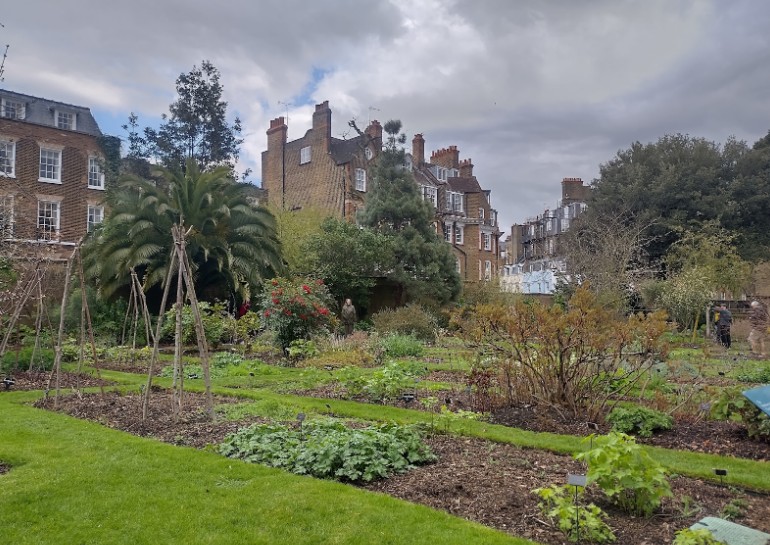
Founded in 1673, the Chelsea Physic Garden is one of London’s oldest botanical treasures, dedicated to the study and use of medicinal plants. Nestled beside the River Thames, this hidden gem offers a peaceful escape from the city’s busy rhythm. The garden was originally established by the Worshipful Society of Apothecaries to grow herbs for medical research. Today, it continues to reveal the deep connection between nature and human health. Its ancient walls shelter a unique microclimate, allowing exotic species to flourish where they otherwise might not.
As visitors explore the paths, they’ll find over 5,000 different plants used for medicine, food, and scientific study. Each bed is carefully labelled, turning a stroll into a fascinating lesson in natural science. The Garden of World Medicine is especially captivating, showcasing healing plants from various cultures. From the prickly cacti of the Americas to the aromatic herbs of the Mediterranean, the collection celebrates the global heritage of botany. The garden’s tranquil atmosphere encourages curiosity and reflection, reminding visitors how plants shape every aspect of life.
Architecturally, the garden retains its historic charm. Brick walls, gravel paths, and old glasshouses create an atmosphere of timeless serenity. The rock garden, one of the oldest in Europe, holds alpine plants from around the world. The sound of birds and the gentle rustle of leaves make it easy to forget that one is in central London. Throughout the year, the garden changes with the seasons—spring blossoms, summer herbs, and autumn berries paint it in ever-shifting colours.
Today, the Chelsea Physic Garden serves as a living classroom. Workshops, guided tours, and exhibitions invite visitors to learn about sustainable living and herbal medicine. It’s a space where history, science, and tranquillity meet in perfect balance. Few places in the city offer such a close encounter with the roots of natural healing and the artistry of cultivated beauty.
Website: https://www.chelseaphysicgarden.co.uk/
3- Hampton Court Palace Gardens
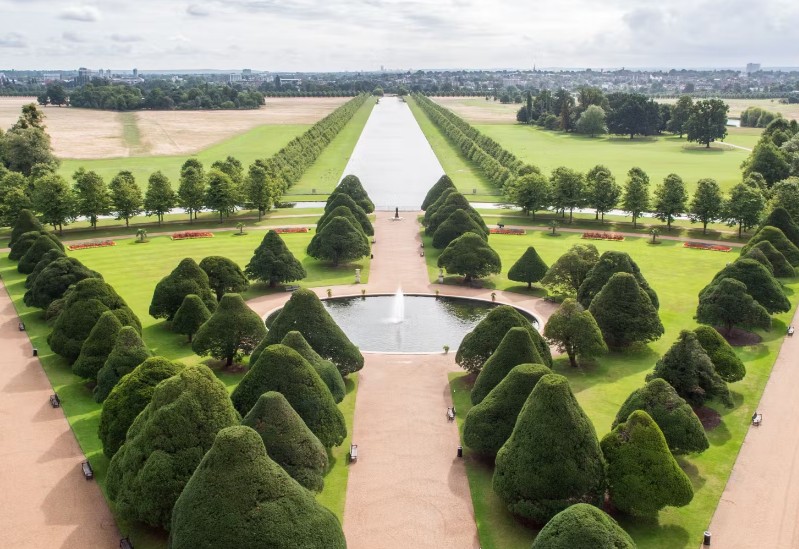
The Hampton Court Palace Gardens combine royal splendour with centuries of horticultural design. Spread across 60 acres of formal gardens and 750 acres of parkland, this vast landscape is a masterpiece of symmetry and elegance. Once home to Henry VIII, the palace grounds reflect centuries of evolving tastes—from Tudor to Baroque. Every path, fountain, and hedge tells a story of royal ambition and artistry. The gardens invite visitors to step into a world where history and nature blend seamlessly.
The formal gardens, designed during the reign of William III and Mary II, offer a striking display of geometry and grandeur. The Great Fountain Garden features sweeping lawns lined with yew trees and fountains that glisten under the sunlight. The Privy Garden, restored to its 1702 design, showcases the precision of 17th-century craftsmanship. Its intricate patterns, vibrant flowerbeds, and ornamental urns reflect the royal desire for perfection. Seasonal blooms add layers of colour that transform the garden’s appearance throughout the year.
For those seeking tranquillity, the Wilderness area provides a more natural retreat. Here, winding paths and clusters of daffodils create a soft contrast to the formality of the palace grounds. The famous Maze, planted in the late 1600s, remains one of the oldest surviving hedge mazes in Britain. It’s a favourite spot for families and adventurers alike, offering both fun and reflection amid the greenery. The surrounding parkland, dotted with deer and ancient trees, offers peaceful walks along the River Thames.
Beyond its beauty, Hampton Court’s gardens represent innovation in landscape design. They reflect changing tastes across generations while maintaining their royal dignity. Exploring these gardens feels like walking through centuries of English garden history. From grand avenues to intimate corners, every detail reveals the artistry and vision that have shaped one of the most iconic gardens in London.
Website: https://www.hrp.org.uk/hampton-court-palace/
4- Holland Park (including its Kyoto Garden)
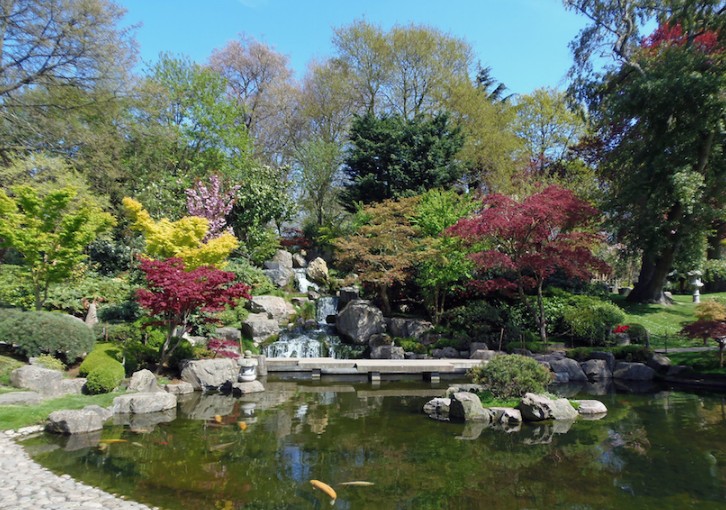
Holland Park is one of London’s most enchanting green retreats, blending natural woodland with formal gardens and cultural touches. Situated in Kensington, it offers a rich mix of landscapes—sprawling lawns, shaded pathways, and flower-filled borders. The park covers about 22 hectares and feels like a secret oasis within the capital. What makes it truly special is its balance between wild beauty and elegant design. Each area invites a different mood, from quiet reading corners to open spaces for picnics and leisurely walks.
At the heart of Holland Park lies the Kyoto Garden, a gift from Japan to commemorate the friendship between the two nations. Designed in traditional Japanese style, it features tiered waterfalls, koi-filled ponds, and carefully raked gravel. Every element is meant to evoke harmony and contemplation. The garden’s delicate balance of water, stone, and plant life offers a serene contrast to the surrounding city. Visitors often pause by the pond, watching the fish glide beneath the maples and cherry trees, creating a moment of calm reflection.
Beyond the Kyoto Garden, Holland Park has much more to explore. Wooded trails attract joggers, dog walkers, and bird watchers. In spring, the park bursts with bluebells, while autumn brings a rich palette of gold and crimson. The formal Dutch Garden adds a touch of symmetry with its vibrant flowerbeds and manicured hedges. Sculptures scattered across the park add artistic charm, connecting nature and creativity in subtle ways. The blend of formal and informal landscapes makes Holland Park an ever-changing experience through the seasons.
The park also hosts cultural events, including open-air theatre and opera performances in the summer. Wildlife thrives here too—peacocks roam freely, adding colour and character. Holland Park perfectly captures London’s spirit: peaceful, diverse, and full of quiet surprises. For locals and visitors alike, it remains one of the most beloved gardens in London.
Website: https://www.rbkc.gov.uk/
5- Kensington Gardens
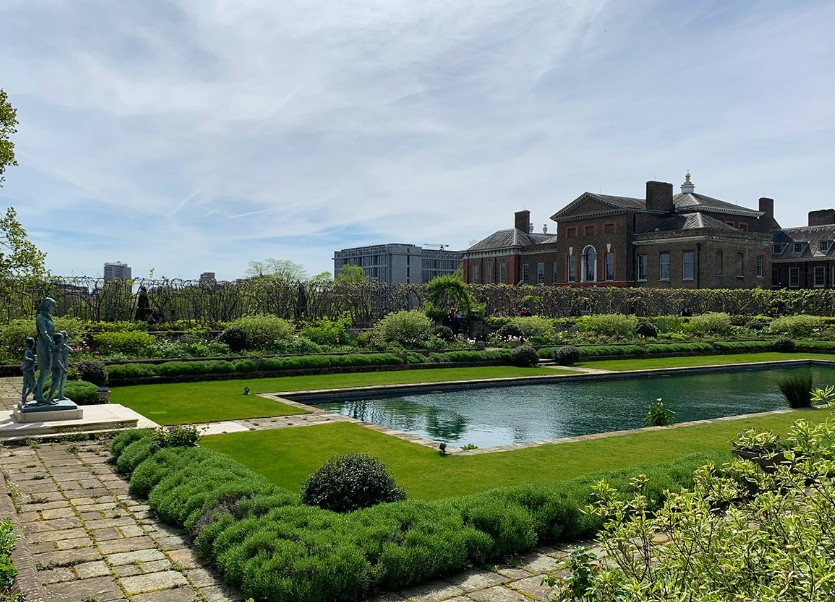
Kensington Gardens is one of the most elegant green spaces in London, blending royal history with peaceful natural beauty. Once part of Hyde Park, it became a separate garden in the late 17th century when Queen Anne transformed it into a formal landscape. Today, it spans 265 acres of tree-lined avenues, ornamental lakes, and grand sculptures. It offers a calm refuge from the city while maintaining a sense of royal grace. Every corner feels designed for quiet walks, reading, and reflection.
The gardens are home to Kensington Palace, the official residence of several members of the royal family. Surrounding it are beautifully maintained lawns, flowerbeds, and the Sunken Garden, which draws visitors with its symmetrical design and seasonal blooms. This garden is especially admired for its tribute to Princess Diana, whose memory lives on through its delicate floral arrangements. In spring and summer, tulips, lilies, and roses create bursts of colour that transform the space into a painter’s dream. The nearby Cradle Walk offers shaded pathways bordered by climbing plants, creating a romantic atmosphere.
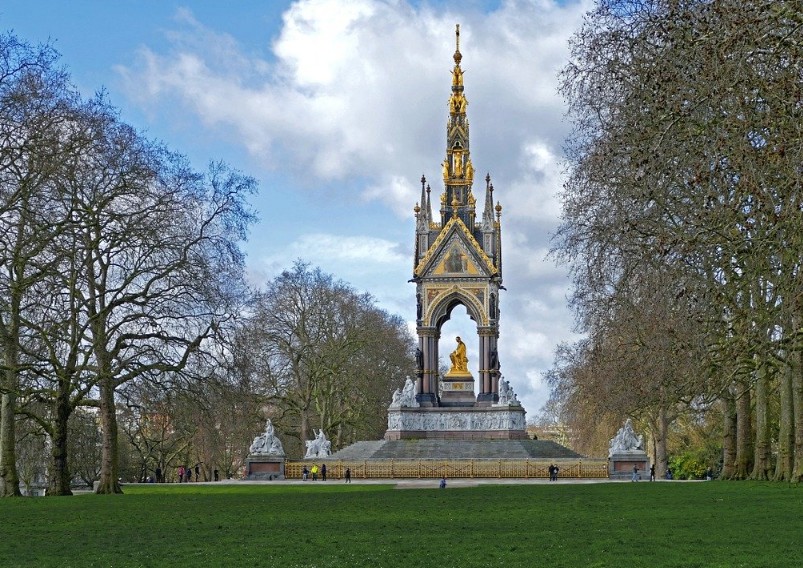
Art and history also play an important role in Kensington Gardens. The Albert Memorial, a Gothic masterpiece, stands proudly opposite the Royal Albert Hall, symbolising Victorian devotion and artistry. The Serpentine Galleries add a modern touch, exhibiting contemporary art within the historic landscape. These cultural landmarks make the gardens not only a place of rest but also of inspiration. Each visit offers something new—whether an exhibition, a sculpture, or simply the changing light over the lake.
Wildlife thrives throughout the park, from ducks gliding across the Round Pond to squirrels darting between the oaks. Visitors can enjoy long walks, morning jogs, or simply sit beneath the trees and watch the world go by. Kensington Gardens feels timeless, a meeting point between London’s royal past and its vibrant present. It remains one of the most cherished gardens in London for both locals and travellers seeking peace in the heart of the city.
Website: https://www.royalparks.org.uk/visit/parks/kensington-gardens
6- Hyde Park
Website: https://www.royalparks.org.uk/visit/parks/hyde-park
7- Richmond Park
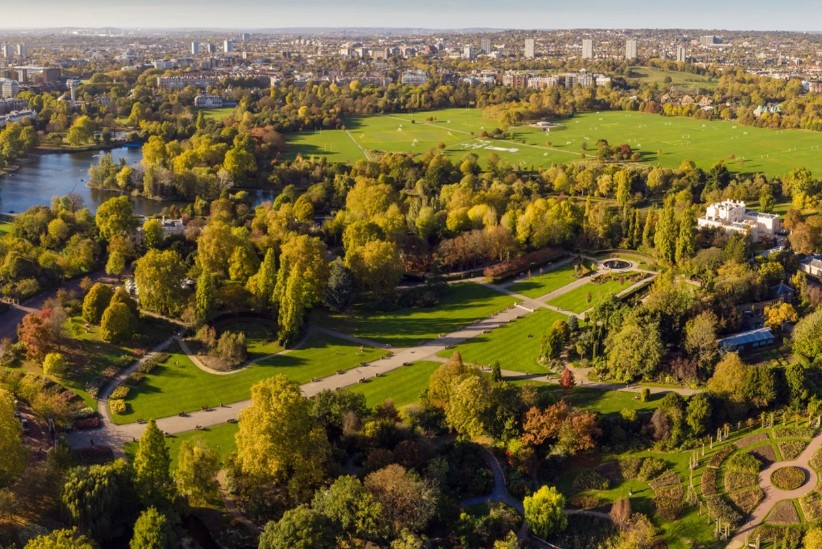
Richmond Park is the largest of London’s Royal Parks, covering over 2,500 acres of sweeping grasslands, ancient trees, and wide-open views. Created in the 17th century by Charles I as a deer park, it remains one of the city’s most remarkable natural landscapes. Its vastness makes it feel more like the countryside than a city park. From the moment you enter, the sound of traffic fades, replaced by birdsong and the rustle of wind through oak and beech trees. It’s a rare space where wildlife and people coexist in harmony.
The park is home to hundreds of free-roaming red and fallow deer, which have become one of its most iconic features. Visitors often spot them grazing gracefully in the early morning mist or resting under the shade of trees. These herds give Richmond Park a unique, almost timeless atmosphere. While the deer remain protected and undisturbed, their presence offers a fascinating glimpse into England’s natural heritage. The rolling hills, ponds, and meadows attract nature lovers, photographers, and families seeking peaceful walks away from the city’s bustle.
Within the park lies Isabella Plantation, a woodland garden famous for its vivid azaleas, camellias, and rhododendrons. In spring, the plantation bursts into colour, creating one of the most spectacular floral displays in London. The tranquil ponds and winding paths make it a favourite spot for quiet contemplation. Elsewhere, King Henry’s Mound offers panoramic views of St Paul’s Cathedral in the distance—a protected sightline that has remained unchanged for centuries. Each part of Richmond Park reveals a different landscape, from open grassland to shaded woodland.
Richmond Park is also a haven for outdoor activities. Cyclists, joggers, and horse riders make use of its extensive trails, while bird watchers delight in spotting kestrels, owls, and woodpeckers. Despite its wild feel, it’s carefully managed to preserve its delicate ecosystem. This balance between conservation and recreation makes Richmond Park not only one of the most beautiful but also one of the most ecologically significant gardens in London.
Website: https://www.royalparks.org.uk/visit/parks/richmond-park
8- St James’s Park
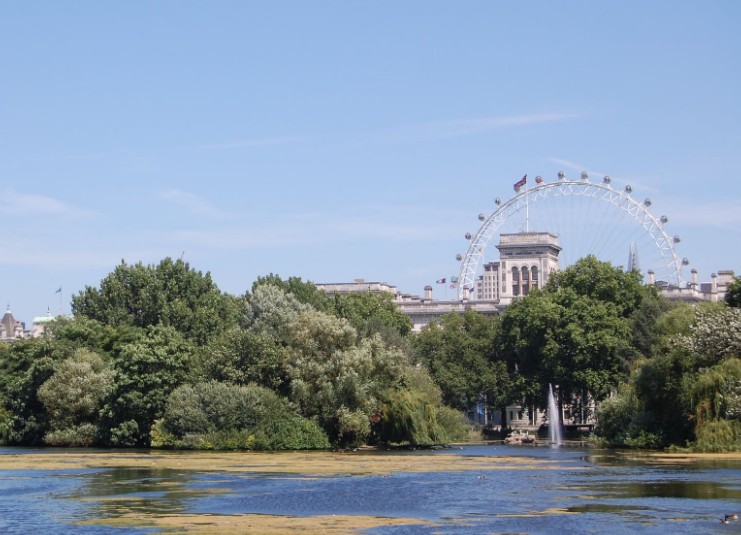
St James’s Park is the oldest of London’s Royal Parks and perhaps its most picturesque. Stretching between Buckingham Palace and Whitehall, it offers postcard-perfect views that define the capital’s charm. Every step through this park feels like walking through the heart of royal London. Created in the 16th century and redesigned in the 19th by John Nash, it combines elegance, history, and vibrant natural beauty in a compact space of just over 50 acres.
At the centre of St James’s Park lies a shimmering lake, home to pelicans that have lived here for centuries—a gift from a Russian ambassador in 1664. The lake divides the park into two main sections, linked by the iconic Blue Bridge. From this bridge, visitors enjoy one of London’s most photographed views, with Buckingham Palace on one side and the London Eye on the other. The park’s pathways wind through flowerbeds, manicured lawns, and shady groves, offering a peaceful escape just steps from the city’s busiest landmarks.
The flower borders are a particular highlight, especially in spring and summer when they burst into colour. Tulips, daffodils, and seasonal blooms frame the lake beautifully. Their vibrant patterns make St James’s Park one of the most colourful gardens in London. Wildlife thrives here, from ducks and swans to parakeets that add a tropical touch to the London skyline. The gentle hum of life—birds calling, fountains splashing, and tourists chatting—creates a warm, lively atmosphere that reflects the city’s cosmopolitan spirit.
Beyond its scenery, St James’s Park carries deep ceremonial importance. It’s the setting for royal parades and celebrations, including the Trooping the Colour. The park seamlessly blends natural beauty with centuries of royal tradition. Whether for a morning stroll, a picnic, or simply to admire the reflection of the palace in the lake, St James’s Park remains one of the most enchanting and historic gardens in London.
Website: https://www.royalparks.org.uk/visit/parks/st-jamess-park
9- The Green Park
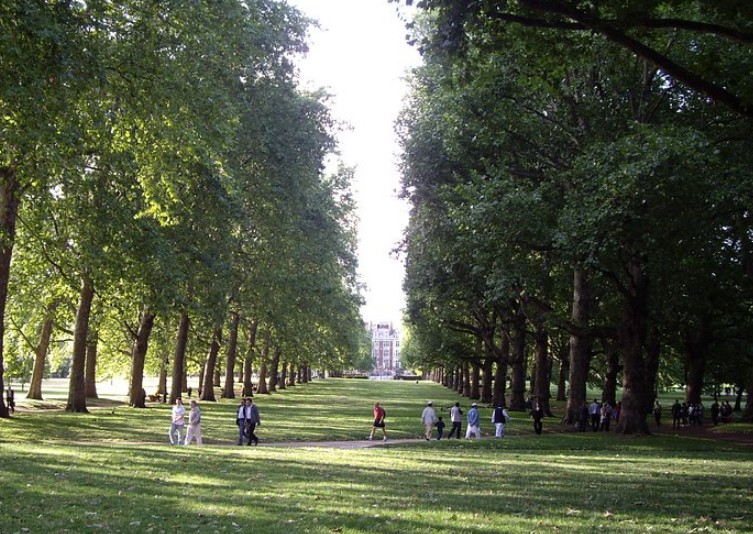
The Green Park is one of London’s most understated yet elegant Royal Parks, nestled between St James’s Park and Hyde Park. Covering around 40 acres, it offers a calm oasis amid the city’s grandeur. Unlike many other parks in the capital, it has no formal flowerbeds or lakes—just sweeping lawns, mature trees, and gentle undulations. Its simplicity is its greatest charm, offering pure tranquillity in the heart of London. The park’s open design invites visitors to wander freely, rest beneath its shady canopies, or simply enjoy the quiet rhythm of nature.
Originally a burial ground in the 16th century, the area was transformed into a royal park by Charles II in the 1660s. Legend says that Queen Catherine of Braganza banned flower planting after discovering her husband had picked blooms there for another woman. This story gives Green Park its distinctive, minimalist character. Instead of ornate gardens, the park celebrates natural beauty—rolling grass, towering plane trees, and meandering paths that encourage reflection. During spring, daffodils blanket the lawns, adding bursts of yellow that brighten the landscape.
Its central location makes it a peaceful retreat for city dwellers and tourists alike. Office workers come here for lunch breaks, joggers pass through on morning runs, and families spread blankets for picnics. The contrast between Green Park’s serenity and the surrounding landmarks is striking. On one side stands Buckingham Palace, while the grand avenues of Piccadilly line another. Despite the constant movement nearby, the park remains quiet and timeless, a green sanctuary framed by urban life.
The park is also steeped in ceremonial importance. The Canada Memorial and the Bomber Command Memorial remind visitors of its connection to history and remembrance. Green Park embodies simplicity, peace, and quiet dignity. It’s not about grandeur but about balance—a place that invites stillness amid the constant motion of London. For many, it’s the city’s quiet heart, a pocket of calm just steps away from royal processions and busy streets.
Website: https://www.royalparks.org.uk/visit/parks/green-park
10- Bushy Park
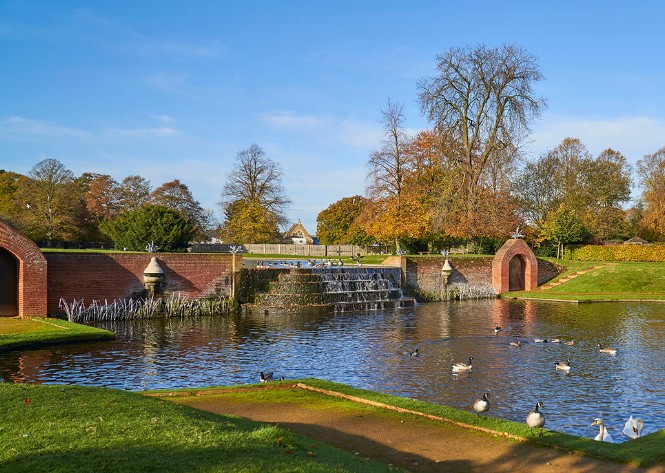
Bushy Park is London’s second-largest Royal Park, sprawling across 1,000 acres of meadows, waterways, and ancient woodland. Located near Hampton Court Palace, it offers a captivating mix of natural wilderness and elegant design. Its vast open spaces make it feel like stepping into the English countryside. From dawn until dusk, the park hums with life—herds of deer wander freely, birds nest in the reeds, and sunlight filters through centuries-old oak trees. It’s a living reminder of London’s rural past.
The park’s history dates back to the Tudor period, when it served as a royal hunting ground. Today, it retains much of that wild charm while providing a haven for recreation and conservation. The Diana Fountain, a striking 17th-century sculpture set in a circular pond, forms the park’s graceful centrepiece. It perfectly symbolises the harmony between art and nature found throughout Bushy Park. Canals and tree-lined avenues stretch outward from the fountain, creating scenic vistas that change with the seasons—from golden autumn leaves to frost-tipped winter mornings.
Bushy Park is divided into distinct areas, each with its own character. The Woodland Gardens offer a peaceful retreat filled with azaleas, bluebells, and trickling streams. This part of the park feels almost enchanted, especially when the flowers are in bloom. Birdsong fills the air, and benches tucked beneath the trees invite moments of rest. Nearby, the Heron Pond and the Upper Lodge Water Gardens add a sense of refinement with their reflective waters and ornamental planting. The variety of landscapes makes the park endlessly engaging for walkers and photographers alike.
Wildlife thrives throughout Bushy Park. Red and fallow deer roam freely, while foxes and rabbits dart through the undergrowth. Despite being so close to the city, it remains a true wilderness. Joggers, cyclists, and families share the space respectfully, enjoying its wide paths and open skies. Bushy Park’s mix of history, wildlife, and peaceful scenery makes it one of the most distinctive and unspoiled gardens in London, where nature and heritage exist side by side in perfect balance.
Website: https://www.royalparks.org.uk/parks/bushy-park
Faq’s
What is the best time of year to visit gardens in London?
The best time to explore gardens in London is during spring and early summer, when most flowers are in full bloom and the weather is pleasantly mild. Autumn is also a lovely season to enjoy changing leaf colours and fewer crowds. Winter can be peaceful too, though the scenery is more subdued and suited for quiet walks.
Are public gardens in London free to enter?
Many green spaces and botanical areas in London are open to the public free of charge, offering a wonderful escape from the city’s bustle. However, some private or historic gardens may charge a small entry fee to support maintenance and preservation. It’s always best to check before visiting, especially during special events or exhibitions.
Can I have a picnic in London’s parks and gardens?
Yes, most city gardens and parks welcome visitors to bring picnics, as long as they respect the natural environment and keep the area tidy. Some locations have designated picnic spots or lawns where food is allowed. It’s recommended to avoid feeding wildlife and to use reusable containers whenever possible to reduce waste.
Are gardens in London suitable for families with children?
Absolutely, many of London’s green spaces are designed with families in mind, offering open lawns, safe walking paths, and even small play areas. Children can enjoy discovering plants, spotting wildlife, and learning about nature in a relaxed setting. It’s a peaceful way for families to spend time outdoors together while exploring the city’s greener side.
Do London gardens remain open during winter?
Most public gardens and parks stay open year-round, though opening hours may be shorter during the colder months. While winter lacks the vibrant blooms of summer, it still offers a unique charm, with frosty landscapes and tranquil paths. Visiting during this season provides a quieter and more reflective experience of London’s natural beauty.