
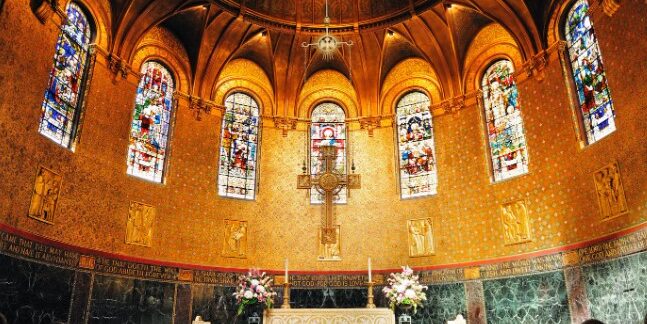
¿Qué vas a encontrar aquí?
London is home to some of the most remarkable churches in London, offering a blend of history, architecture, and spiritual life. Many of these sacred spaces attract visitors and worshippers alike, providing a peaceful retreat from the city’s hustle and bustle. As you explore the city, you will notice that churches in London vary widely in design, from Gothic spires to modern minimalist interiors, each reflecting the rich cultural heritage of the capital.
Furthermore, churches in London often serve as community hubs, hosting concerts, educational programmes, and social gatherings. They not only provide spiritual guidance but also foster connections among locals and visitors. Walking through the streets, you can appreciate the intricate craftsmanship and vibrant stained-glass windows that characterise these historic landmarks, making them a unique feature of London’s urban landscape.
Best churches in London
Many of the best churches in London offer free services, making them accessible to all who seek reflection or guidance. These churches often welcome diverse communities and provide spaces for meditation, prayer, and celebration throughout the year. In addition to religious activities, they may host exhibitions, workshops, or community projects, ensuring that every visit enriches both the mind and the spirit.
Moreover, churches in London frequently highlight the city’s historical and cultural narrative. By attending services or events, visitors can gain insight into centuries of local tradition and craftsmanship. They also play an important role in preserving heritage while adapting to contemporary urban life, allowing everyone to engage meaningfully with the spiritual and social fabric of London.
1- St. Paul’s Cathedral

St. Paul’s Cathedral is one of the most iconic churches in London, standing tall with its magnificent dome that dominates the city skyline. Built in the late 17th century, it replaced the medieval cathedral destroyed in the Great Fire of London. Visitors are often struck by the grandeur of its exterior, especially the twin towers flanking the entrance. The cathedral’s dome is an architectural marvel, offering panoramic views of London from its Golden Gallery, making it a must-see for anyone exploring the city’s spiritual and historic landmarks.
Inside, the interior of St. Paul’s is vast and elaborately decorated. Marble floors and intricate mosaics catch the eye, while the whispering gallery surprises many with its acoustic wonder. The cathedral is not just a visual spectacle, but also a place where ceremonies and services continue to be held, reflecting centuries of religious practice. St. Paul’s has also hosted significant national events, reinforcing its cultural and spiritual importance.
Art and symbolism are everywhere within St. Paul’s Cathedral. Paintings, sculptures, and memorials tell stories of the city’s past and notable figures. The crypt houses tombs of important historical personalities, including admirals, architects, and military leaders, creating a quiet space of reflection. The combination of religious significance and historical narrative provides visitors with multiple layers of experience, distinguishing it from other London churches.
The cathedral’s location in the heart of the City of London enhances its appeal. Surrounded by busy streets and modern architecture, St. Paul’s remains a peaceful sanctuary amidst urban life. Regular services, concerts, and exhibitions make it a vibrant part of the community. For tourists and locals alike, it represents both spiritual solace and cultural enrichment. As one of the most recognised churches in London, St. Paul’s continues to draw attention for its architectural brilliance and enduring historical significance.
Web: https://www.stpauls.co.uk/
2- Westminster Abbey

Westminster Abbey is a historic and majestic church in London, renowned for its Gothic architecture and centuries of royal connections. Built over a thousand years ago, it has been the coronation site for British monarchs since 1066. Visitors are immediately impressed by the intricate stonework and soaring ceilings. The abbey’s façade and stained-glass windows make a striking first impression, reflecting the skill of medieval craftsmen and the enduring power of religious art in London.
Inside, Westminster Abbey presents an extraordinary display of tombs, chapels, and memorials. It houses the final resting places of monarchs, poets, and scientists, creating a tapestry of Britain’s cultural and political history. The Lady Chapel, with its delicate fan vaulting, offers a particularly serene atmosphere, drawing the attention of historians and art enthusiasts alike. Every section of the abbey provides a glimpse into different eras of British history, making it a multifaceted experience.
The abbey also serves as a living place of worship. Daily services continue alongside major national events, balancing tradition and public life. The combination of spiritual practice and historical narrative makes it unique among churches in London, offering visitors both inspiration and insight. Special events, including memorials and state funerals, highlight its ongoing relevance and prestige. The abbey remains a focal point for reflection, ceremony, and observation of British heritage.
Visitors appreciate the abbey’s location and surroundings. Nestled near the Houses of Parliament, it provides context to London’s political and social history. Westminster Abbey’s architecture, art, and traditions make it a landmark that blends history with modern city life, offering an experience that goes beyond a typical church visit. From its royal associations to its cultural significance, it stands as one of the most celebrated and studied churches in London.
Web: https://www.westminster-abbey.org/
3- St. Bartholomew the Great

St. Bartholomew the Great is one of the oldest surviving churches in London, with origins dating back to the early 12th century. Its medieval stonework and Romanesque features immediately capture the attention of visitors. The church’s massive arches and intricate carvings showcase a craftsmanship rarely seen today, offering a glimpse into London’s ecclesiastical history. Despite being tucked away in a quiet corner of the city, it maintains a powerful presence, reflecting centuries of religious practice and community life.
The interior of St. Bartholomew the Great is equally impressive. Its wooden beams, ancient fonts, and stained-glass windows create a sense of timelessness. The nave, with its high ceilings and gothic arches, draws the eye upward, making visitors feel the scale and grandeur of this sacred space. Over the years, the church has hosted countless services, weddings, and cultural events, ensuring that it remains a living centre of worship.
Artistic details are a highlight of St. Bartholomew the Great. Sculptures, memorials, and tombs of notable citizens contribute to its rich narrative. Visitors often pause to admire the detailed stonework on the choir screen and the carved capitals, which tell stories of faith and devotion spanning centuries. The church also features hidden corners and small chapels, encouraging exploration and quiet reflection. Its blend of artistry, history, and spirituality makes it stand out from other historic churches in London.
The church’s location enhances its charm. Surrounded by narrow streets and historic buildings, St. Bartholomew the Great feels like a step back in time, offering peace amid the city’s modern bustle. Regular services, exhibitions, and concerts allow both locals and tourists to engage with the space. Its atmosphere is both contemplative and welcoming, giving visitors a chance to connect with centuries of tradition.
Web: http://www.greatstbarts.com/
4- Southwark Cathedral
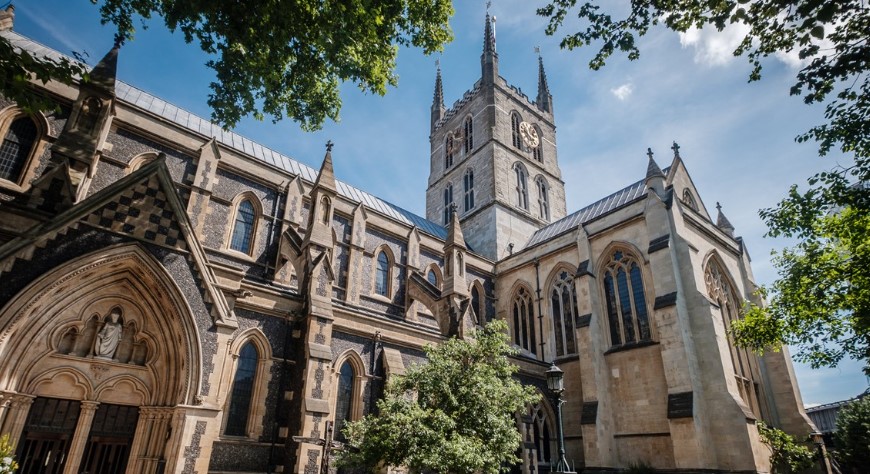
Southwark Cathedral is a prominent church in London, situated near the bustling banks of the River Thames. With roots stretching back to the 12th century, it stands as a testament to centuries of English Gothic architecture. The cathedral’s pointed arches and elaborate stonework immediately impress, drawing visitors into a space where history, spirituality, and community converge. Its position within the lively Southwark area makes it accessible while maintaining a tranquil atmosphere inside.
Inside, Southwark Cathedral presents a blend of medieval and modern features. The nave and aisles display soaring vaults and intricately carved details, creating an atmosphere of reverence and awe. Visitors can explore chapels dedicated to saints, quiet corners for reflection, and memorials celebrating notable figures. Services are still held daily, ensuring that the cathedral remains a living centre of worship while preserving its historic character. Its combination of spiritual function and historic significance sets it apart from many other churches in London.
The cathedral is rich in cultural and artistic details. Stained-glass windows, monuments, and sculptures illustrate stories of faith, achievement, and remembrance. The chapter house and choir area contain particularly striking craftsmanship, which attracts art enthusiasts and historians alike. Southwark Cathedral also hosts concerts and events that celebrate music and community, providing a dynamic connection between its religious role and cultural outreach. Each visit offers a new perspective on the cathedral’s layered history.
The cathedral’s setting adds to its appeal. Located close to landmarks and the Thames, it offers a peaceful retreat amid the urban environment. Southwark Cathedral’s combination of historic charm, ongoing worship, and community activity makes it a standout among London churches, appealing to both tourists and locals. Its rich history and architectural beauty provide a compelling reason to explore the spiritual and cultural heritage of this area.
Web: https://cathedral.southwark.anglican.org/
5- Temple Church
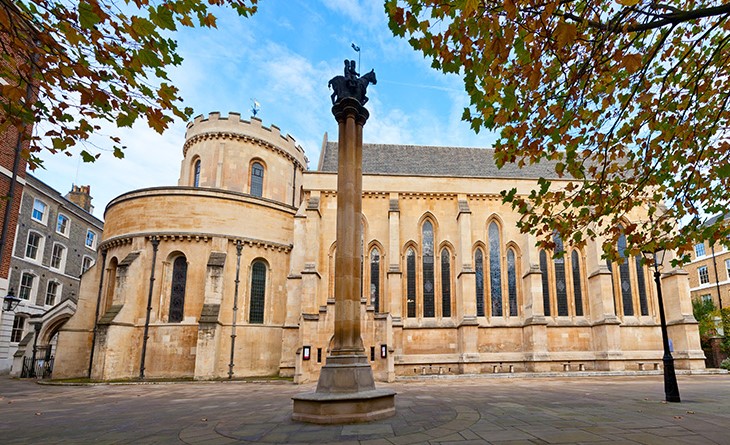
Temple Church is one of the most historic churches in London, famous for its circular design and medieval origins. Built in the 12th century by the Knights Templar, it reflects a unique blend of Romanesque and Gothic architecture. The church’s distinctive round nave immediately draws attention, setting it apart from the typical linear layout of most London churches. Its walls, adorned with stone carvings and ancient inscriptions, speak of centuries of religious and legal history intertwined in the heart of the city.
The interior of Temple Church exudes a solemn and contemplative atmosphere. High vaulted ceilings and stone columns create a sense of grandeur, while light filters through stained-glass windows, casting vibrant patterns on the floor. The effigies of knights lying in repose are a remarkable feature, offering visitors a tangible link to the medieval past. Temple Church has served both spiritual and ceremonial purposes, making it a rare combination of historic monument and active place of worship.
Art and history are woven into every corner of the church. Medieval wall paintings, heraldic shields, and intricate stonework highlight its rich heritage. The round nave, central to the church’s design, encourages reflection and provides a striking focal point, illustrating the Templar influence on architecture and religious practice. Regular services, lectures, and occasional musical performances bring the building to life, connecting modern visitors with centuries of tradition.
The church’s location in the Inner and Middle Temple areas enhances its significance. Nestled between historic legal chambers and the River Thames, Temple Church offers a peaceful sanctuary amid the hustle of central London, blending spiritual calm with historic intrigue. Its combination of architectural beauty, historical depth, and living tradition makes it one of the most fascinating churches in London.
Web: https://www.templechurch.com/
6- All Saints Margaret Street
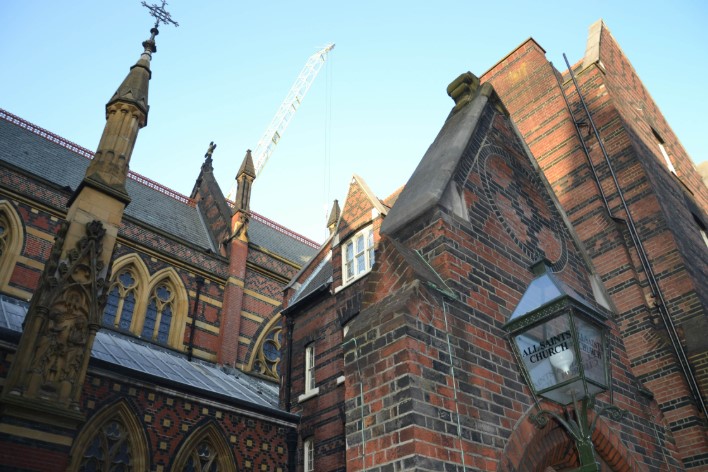
All Saints Margaret Street is a striking church in London, celebrated for its Gothic Revival architecture and lavish interior decoration. Built in the 19th century, it was designed to inspire awe through verticality, colour, and ornate detailing. The church’s soaring spire and richly decorated façade immediately capture attention, reflecting the ambition and artistry of Victorian ecclesiastical design. It stands as a prominent example of London’s commitment to combining beauty with spiritual purpose.
Inside, All Saints Margaret Street dazzles with vivid murals, gilded surfaces, and intricately carved woodwork. The high altar, surrounded by mosaic panels and painted ceilings, dominates the interior, creating a dramatic and immersive experience for visitors. Sunlight streaming through stained-glass windows enhances the visual impact, highlighting every decorative detail. This church continues to host regular services, providing a living setting for worship within an exceptional architectural context.
Artistic and symbolic features abound in All Saints Margaret Street. The murals, sculptures, and encaustic tiles combine religious storytelling with Victorian craftsmanship. Every chapel and side aisle contains elements that reward careful observation, from painted saints to ornamental capitals, offering insight into 19th-century religious aesthetics.
The church’s urban location adds to its character. Situated in central London, All Saints Margaret Street serves as both a spiritual retreat and a showcase of Gothic Revival innovation, providing a contrast to the surrounding modern cityscape. Its combination of architectural brilliance, decorative richness, and continued religious use makes it a distinctive and memorable church in London. For art lovers and history enthusiasts alike, it offers a compelling experience that goes beyond a typical church visit.
Web: https://asms.uk/
7- All Hallows by the Tower
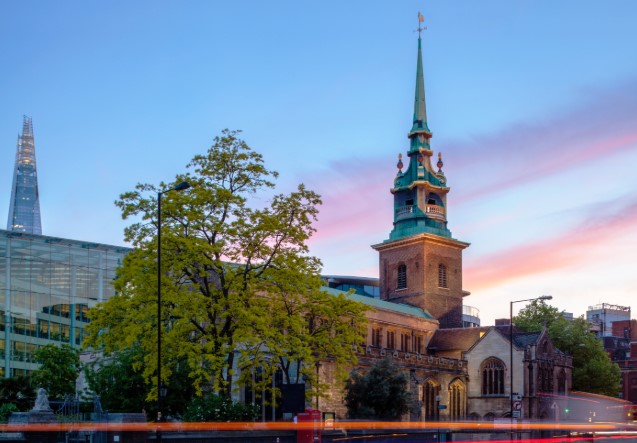
All Hallows by the Tower is one of the oldest surviving churches in London, with origins tracing back to the 7th century. Its location near the Tower of London highlights its historical significance in the city’s medieval life. The church’s ancient stonework and striking tower convey a sense of continuity, linking modern visitors to centuries of worship and civic history. Despite the passage of time, it remains a quiet sanctuary amid the bustle of the surrounding streets.
Inside, the church combines medieval charm with rich historical artefacts. The nave features wooden beams and stone columns that create a warm, contemplative atmosphere. The crypt contains fascinating relics and tombs, reflecting the church’s long-standing role in commemorating notable figures and events. Its interior also hosts exhibitions that showcase the church’s contribution to London’s spiritual and cultural development.
Art and symbolism are abundant in All Hallows by the Tower. Stained-glass windows depict biblical scenes, while memorial plaques honour those connected to London’s past. The mix of historical artefacts and architectural details tells a compelling story, from medieval craftsmanship to modern restoration efforts. This combination of art, history, and spirituality provides a unique experience for anyone exploring London’s historic churches.
The church’s location enhances its accessibility and relevance. Situated near the Tower of London, All Hallows by the Tower serves as both a spiritual haven and a historical landmark, attracting visitors interested in both religious heritage and London’s storied past. Regular services, exhibitions, and community events keep the church alive as a place of worship and learning. Its blend of architectural beauty, historical significance, and ongoing spiritual life makes it a remarkable site among London churches.
Web: https://www.ahbtt.org.uk/
8- St Dunstan in the East Church Garden
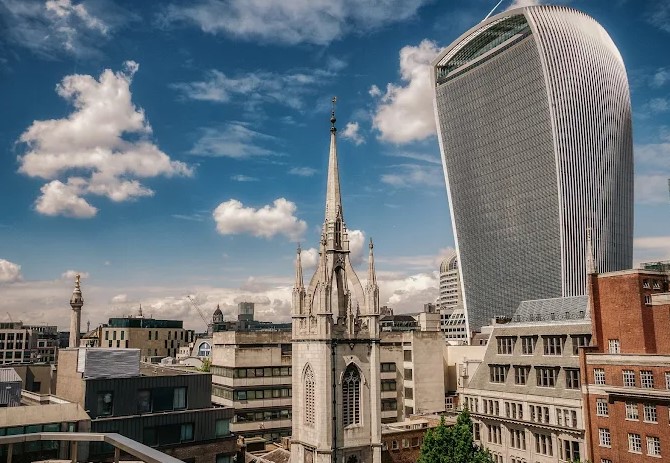
St Dunstan in the East Church Garden is a unique church in London, known for its ruined Gothic walls transformed into a serene public garden. Originally built in the 12th century, it suffered significant damage during the Great Fire of London and the Blitz. The skeletal stone walls and arches now frame lush greenery, creating a peaceful oasis in the heart of the city. The combination of history and nature offers a rare perspective on London’s ability to preserve and repurpose its historic sites.
Visitors immediately notice the contrast between the stone remnants and vibrant plant life. Pathways wind through climbing ivy, flowering beds, and mature trees, making the site a haven for reflection and leisure. The garden integrates historical architecture with natural beauty, encouraging contemplation while offering a visually striking backdrop for photography and relaxation. It exemplifies how London churches can evolve beyond traditional worship spaces into multifunctional urban sanctuaries.
The garden also preserves elements of its religious past. Fragments of the original church, including the tower base and Gothic arches, remain intact. These remnants provide insight into medieval London architecture, allowing visitors to appreciate craftsmanship and design even in ruin. Informational plaques highlight the church’s history, creating an educational experience alongside the aesthetic enjoyment of the garden. The site blends cultural heritage with environmental enrichment.
St Dunstan in the East’s central location enhances its appeal. Nestled between modern office buildings, the church garden offers a tranquil retreat, illustrating the city’s ability to harmonise history, nature, and urban life. Local residents, tourists, and office workers alike enjoy the space for quiet reflection, lunch breaks, or casual strolls. It stands as a testament to the adaptive reuse of London’s historic churches, preserving memory while providing a living green space for the community.
Web: https://www.cityoflondon.gov.uk/things-to-do/city-gardens/find-a-garden/st-dunstan-in-the-east-church-garden
9- London Oratory
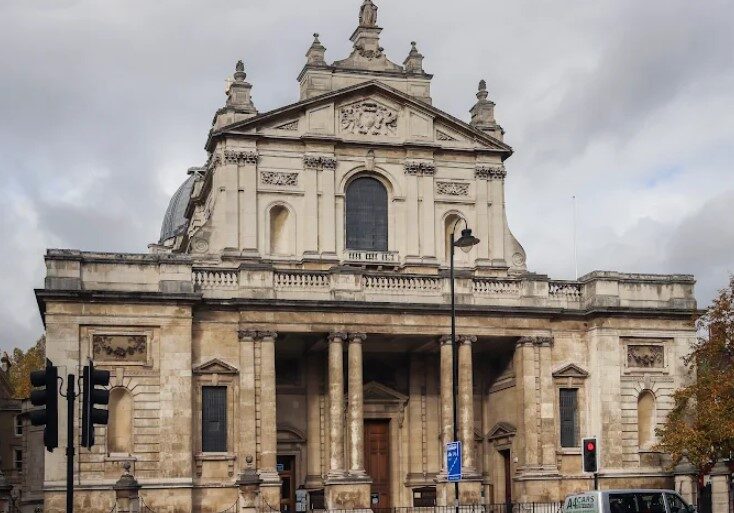
The London Oratory is a renowned church in London, known for its rich Catholic heritage and grand Italianate architecture. Established in the 19th century, it has become a spiritual hub for worshippers and visitors alike. The church’s impressive façade and twin towers immediately draw attention, making it one of the most recognisable religious landmarks in the city. Its presence combines religious devotion with architectural elegance, offering a captivating entry point into London’s ecclesiastical landscape.
Inside, the Oratory reveals a strikingly ornate interior. The high vaulted ceilings, polished marble floors, and intricate mosaics create a sense of grandeur and serenity. The main altar, adorned with gold leaf and detailed sculptures, dominates the space, reflecting both artistic skill and devotional purpose. Visitors can explore side chapels, each with its own unique design and focus, providing spaces for reflection, prayer, and admiration of fine craftsmanship.
Artistic features and religious symbolism are prominent throughout the London Oratory. Stained-glass windows depict biblical stories, while statues of saints line the nave. The combination of sacred art and architectural detail immerses visitors in a visual and spiritual journey, highlighting the Oratory’s role as both a place of worship and a cultural landmark. Regular masses, concerts, and community events maintain the church’s vitality, making it an active part of London’s spiritual and cultural life.
The church’s central location in Brompton adds to its accessibility and relevance. Nestled among bustling streets, the London Oratory provides a peaceful sanctuary, offering visitors a chance to experience calm and reflection amid urban life. Its combination of historic grandeur, artistic beauty, and ongoing religious practice makes it a distinctive and memorable church in London. For those exploring the city’s sacred architecture, it offers an inspiring and immersive experience.
Web: https://www.bromptonoratory.co.uk/
10- Westminster Cathedral
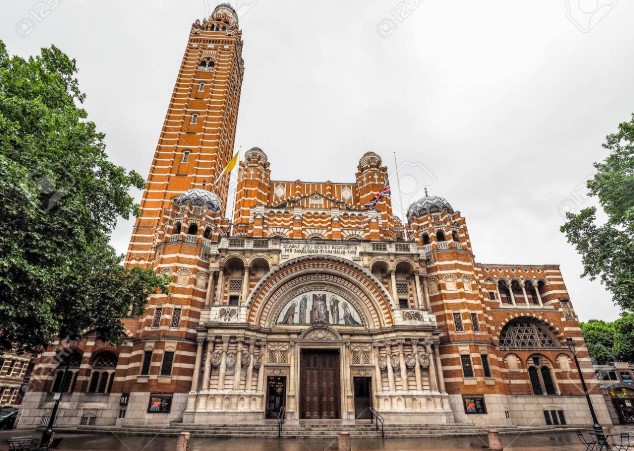
Westminster Cathedral is the largest church in London of the Roman Catholic denomination, celebrated for its striking Byzantine-inspired architecture. Built in the late 19th and early 20th centuries, it stands out with its red brick façade and intricate mosaic decoration. The cathedral’s towering campanile and patterned exterior make a bold architectural statement, instantly capturing the attention of passersby and visitors. It is a landmark that merges historical tradition with modern urban presence.
The interior of Westminster Cathedral is equally impressive. Marble columns, gilded mosaics, and ornate chapels create a sense of awe, guiding the eye upward toward the high ceilings. Visitors are struck by the combination of vibrant colours and geometric patterns, which distinguish it from Gothic or Baroque churches elsewhere in London. The cathedral continues to host daily services, special masses, and community events, keeping it a living space of worship and cultural activity.
Art and craftsmanship are central to the cathedral’s identity. Stained-glass windows, intricate floor patterns, and detailed iconography convey stories of faith and devotion. The sanctuary and choir area showcase exceptional mosaics, emphasising the cathedral’s dedication to combining spiritual experience with artistic excellence. Guided tours and informational displays offer insights into the cathedral’s construction, history, and significance within London’s religious landscape.
Located near Victoria Street, Westminster Cathedral offers both spiritual retreat and cultural engagement. Its blend of monumental architecture, decorative richness, and active religious life makes it a standout among London churches, attracting worshippers, tourists, and architecture enthusiasts alike. From its impressive exterior to its lavish interior, it provides an immersive experience of Roman Catholic tradition within the heart of the city.
Web: https://westminstercathedral.org.uk/
Faq’s
What makes churches in London architecturally unique?
Churches in London often showcase a mix of historic and modern architectural styles. Many feature intricate stonework, towering spires, and detailed stained glass windows. Visitors appreciate the craftsmanship and the way designs reflect different eras. The interiors often create a sense of awe and reverence. These structures are not just places of worship but also cultural landmarks.
How can I explore historic churches in London?
Exploring historic churches in London can be a rewarding experience. Many offer guided tours or informational leaflets that explain their history and significance. Walking through older neighbourhoods often reveals hidden chapels and beautiful churchyards. Observing the architecture and interior design helps visitors connect with centuries of tradition. These spiritual sites also provide quiet spaces for reflection.
Are there churches in London that hold regular services for visitors?
Yes, many churches and chapels in London welcome visitors to their services. Regular worship sessions often include music, sermons, and community activities. Attending a service can give insight into local religious practices and traditions. Some venues may allow tourists to participate respectfully. It’s always advisable to check schedules in advance to ensure access.
What types of events are hosted in London’s churches?
Churches in London frequently host a range of cultural and community events. Concerts, lectures, and seasonal festivals often take place alongside religious ceremonies. These venues are valued for their acoustics and historic ambiance. Special exhibitions or art displays are sometimes featured, attracting visitors beyond regular congregations. Participating in such events provides a unique perspective on local life.
How can I learn about the history of different churches in London?
Learning about the history of churches in London can be done through tours, books, and informational plaques. Many churches maintain archives or small museums detailing their past. Understanding the social and religious context enhances the experience. Educational programs or talks are occasionally offered to engage visitors. This exploration reveals the rich heritage embedded in these sacred spaces.