
¿Qué vas a encontrar aquí?
1- Lavender
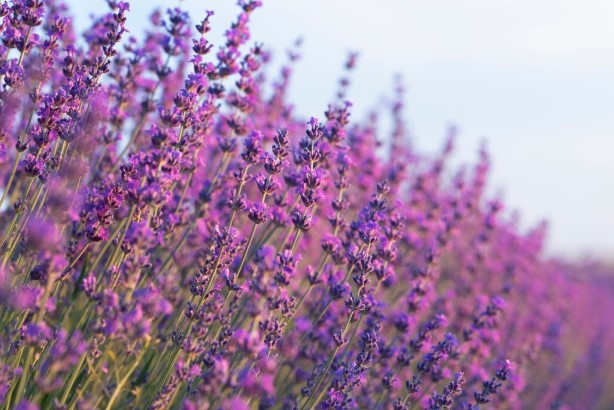
Lavender is one of the most well-known natural ingredients in London, recognised for its delicate purple flowers and distinctive scent. Originally native to the Mediterranean, it has adapted well to the British climate and now flourishes in gardens and herbal farms across the UK. Lavender thrives in London’s mild summers and dry soil, making it a staple of many local herb gardens. The plant is not only pleasing to the senses, but has multiple practical uses, as it is taken directly from the forests.
The dried flowers are often infused into oils and balms. These are commonly used to calm the skin and soothe stress through aromatherapy. The oil, distilled from the flowers, contains compounds such as linalool and linalyl acetate, known for their anti-inflammatory and antibacterial effects. This makes it a popular choice in natural skincare products and spa treatments, particularly for people looking to reduce redness or mild acne.
Lavender is also valued in holistic practices. It often features in herbal sachets, sprays, and diffusers. The essential oil is believed to support relaxation, sleep quality, and anxiety relief. People in London frequently choose lavender-based remedies as gentle alternatives to over-the-counter treatments, especially for children or those with sensitive skin.
Its versatility extends beyond skincare. Lavender is also used in natural household products, such as cleaning sprays and insect repellents, due to its antibacterial properties. In urban areas like London, where many seek plant-based lifestyles, lavender stands out as a fragrant, functional option that bridges traditional herbalism and modern well-being.
2- Chamomile
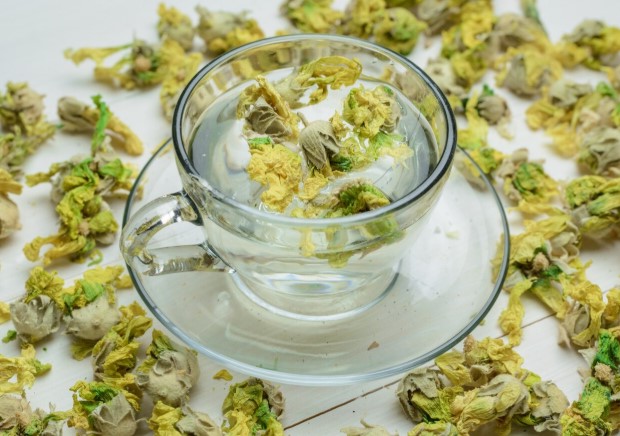
Chamomile, a small white flower resembling a daisy, is widely recognised among natural ingredients in London for its calming and anti-inflammatory properties. Native to Western Europe, it now grows well in London’s temperate climate and is commonly found in community gardens and health food shops. This herb has long been valued in traditional remedies for its mild and gentle action on the body.
Chamomile is particularly helpful for sensitive or inflamed skin. Its extract is often used in balms, face creams, and bath products to reduce redness and irritation. The active compound, bisabolol, has soothing and antimicrobial effects, making chamomile a common ingredient in natural skincare for eczema-prone or reactive skin types. People in London often turn to chamomile-based treatments as part of their daily routines.
In addition to skincare, chamomile has digestive and sleep-related benefits. Many use dried chamomile flowers to brew herbal tea, known for its gentle effect on the stomach and nervous system. It’s especially popular during the colder months, when stress and skin sensitivity tend to increase. With its delicate aroma and taste, chamomile supports both inner and outer balance.
Chamomile also finds its place in holistic self-care. From oils and compresses to sprays and salves, it’s often used in London’s natural health circles for its versatile food hidden benefits. Those who explore alternative medicine often view chamomile as a mild yet effective plant remedy. Its reputation in London is built on centuries of use and a growing demand for skin-friendly, plant-based solutions.
3- Rosehip Oil
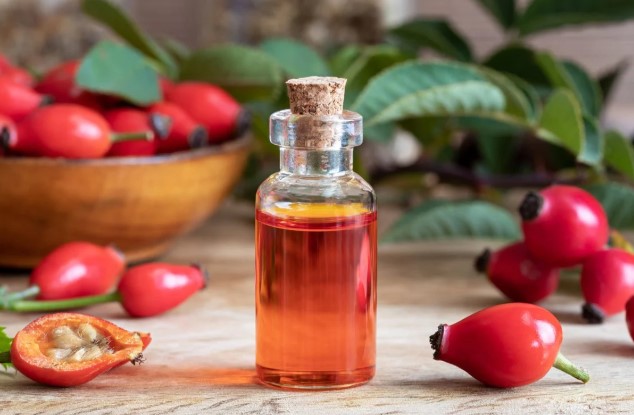
Rosehip oil, extracted from the seeds of wild rose bushes, is among the most nourishing natural ingredients in London. These bushes are typically found growing in hedgerows and gardens throughout the British countryside, and their bright orange-red fruit is harvested for its skin-repairing properties. The oil contains high levels of Vitamin C, which supports collagen production and brightens the skin.
Used extensively in natural skincare, rosehip oil is known for its moisturising and regenerative qualities. It contains essential fatty acids like omega-3 and omega-6, which help restore the skin barrier and retain hydration. In London, where cold winds and pollution can affect skin texture, rosehip oil is often used to treat dry patches and fine lines naturally.
The oil also helps with scar healing and hyperpigmentation. Due to its high antioxidant content, it supports skin renewal and may reduce the appearance of sunspots and acne scars. People who favour natural remedies often prefer rosehip oil as a daily serum or night treatment, as it absorbs easily and doesn’t leave a greasy residue.
Beyond its cosmetic use, rosehip oil represents a broader interest in sustainability. As a cold-pressed ingredient sourced from local or regional plants, it aligns well with eco-conscious lifestyles in London. Those seeking non-synthetic solutions to skincare often turn to rosehip oil for its long-standing reputation and evidence-backed benefits, making it a favourite in urban herbalism.
4- Aloe Vera
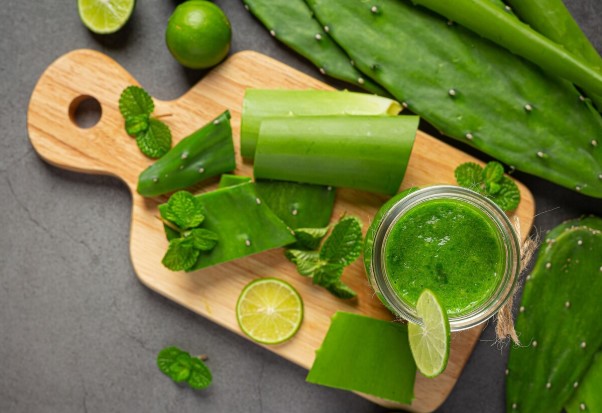
Aloe vera, a succulent plant native to North Africa, has found a comfortable home among natural ingredients in London. While it thrives best in warmer regions, it can grow indoors or in greenhouses across the city. Its thick, spiky leaves hold a clear gel known for its cooling and restorative properties. Londoners often keep small aloe plants at home for easy access to this natural remedy.
The gel is widely used to soothe minor burns, sun damage, and skin irritation. Its hydrating qualities make it popular in natural moisturisers and after-sun products. Aloe vera contains vitamins A, C, and E, along with enzymes and amino acids that support healing. In a city where people frequently deal with weather-related skin issues, this plant-based solution is both accessible and effective.
Aloe vera is not limited to topical application. It also appears in health drinks and natural supplements, valued for its potential to aid digestion and reduce inflammation. Those following plant-based or wellness-oriented lifestyles in London often consume aloe in juice form, though its taste may take some getting used to. This dual-purpose ingredient blends skincare with internal health support.
Its low-maintenance nature adds to its appeal. People can grow aloe vera on windowsills or balconies, making it an easy way to integrate nature into city life. As more people in London shift towards organic and minimalistic living, aloe vera remains a steady favourite. Its reputation as a healing plant continues to grow, supported by both tradition and modern research.
5- Tea Tree Oil
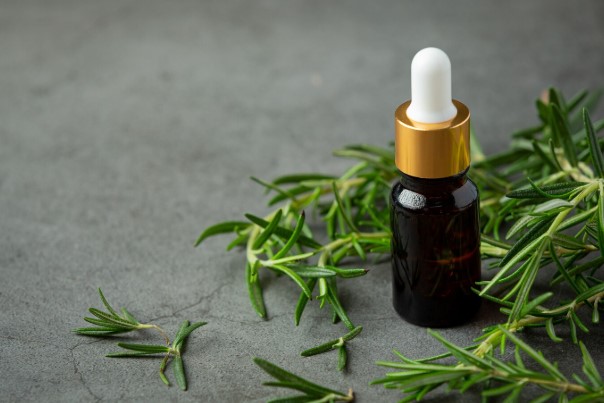
Tea tree oil, derived from the leaves of the Melaleuca alternifolia plant native to Australia, has become a popular component of natural ingredients in London. While not grown locally, it is readily available in apothecaries, health shops, and natural skincare ranges across the city. It is widely praised for its potent antifungal and antibacterial effects.
Tea tree oil is often included in spot treatments, toners, and cleansers. Its ability to dry out blemishes and reduce inflammation makes it a go-to for acne-prone skin. Many Londoners who prefer natural skincare turn to tea tree oil as an alternative to harsh chemical treatments. It is particularly useful for oily or congested skin, offering a plant-based solution to common concerns.
This essential oil also plays a role in household cleaning. Thanks to its antimicrobial properties, it is added to sprays, wipes, and detergents. For people in London looking to avoid synthetic ingredients in their homes, tea tree oil offers a natural way to sanitise surfaces and freshen indoor air. It is often mixed with vinegar or baking soda to create simple, effective cleaners.
6- Beeswax
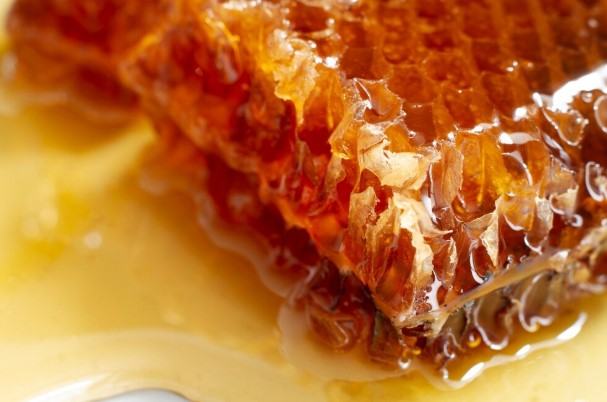
Beeswax, one of the most traditional natural ingredients in London, plays a vital role in skin protection. This natural wax comes from honeybee hives, where bees secrete it to build honeycombs. In London’s organic skincare scene, beeswax is a staple. Its natural emollient properties create a breathable barrier on the skin, shielding it from environmental damage. Unlike synthetic alternatives, it lets the skin retain moisture without clogging pores.
This ingredient is particularly valued in the formulation of lip balms, hand creams, and salves. Its soothing texture helps to soften cracked lips and rough patches, making it ideal for winter skin care. Beeswax is also known for its mild antibacterial elements, which support skin healing. Due to its non-irritating nature, it is frequently included in products for sensitive skin types.
London’s eco-conscious brands favour beeswax for its sustainability. Many small producers work with local beekeepers to obtain ethically sourced wax. This connection to UK apiculture supports pollination and helps maintain bee populations, which aligns with London’s growing environmental awareness. While beeswax originates from natural ecosystems, its processing remains minimal, keeping it pure and effective in topical formulas.
You’ll often find beeswax listed in products alongside other botanical extracts. It acts as a stabiliser, improving texture and extending shelf life naturally. This practical benefit contributes to its presence in many handmade and small-batch goods. For those seeking alternatives to petroleum-based products, beeswax offers a renewable, biodegradable solution. It continues to be a key player in the realm of sustainable, skin-friendly cosmetics throughout the city.
7- Shea Butter
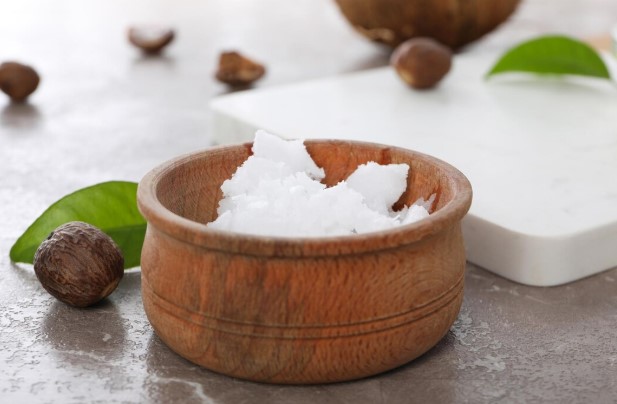
Among the most nourishing botanical ingredients used in London, shea butter stands out for its deeply moisturising effects. Derived from the nuts of the shea tree native to West Africa, this ivory-coloured fat is often imported and incorporated into creams, body butters, and balms. It is prized for its ability to restore hydration and elasticity to the skin, making it a favourite for those with dry or damaged skin.
In London’s natural skincare formulas, shea butter serves as a base ingredient. It’s rich in vitamins A and E, both known for supporting skin health and regeneration. Thanks to its anti-inflammatory compounds, it soothes irritation and reduces redness, making it popular in after-sun care and eczema relief products. Unlike many oils, shea butter absorbs slowly, offering lasting softness.
The shea used in London-based products is often unrefined, preserving its nutty aroma and nutrient content. Producers who focus on natural remedies prefer raw shea butter for its purity and effectiveness. Though sourced from abroad, its popularity in London reflects a strong interest in traditional, holistic skincare. It blends well with essential oils and beeswax, creating thick, protective creams that lock in moisture.
8- Sea Salt
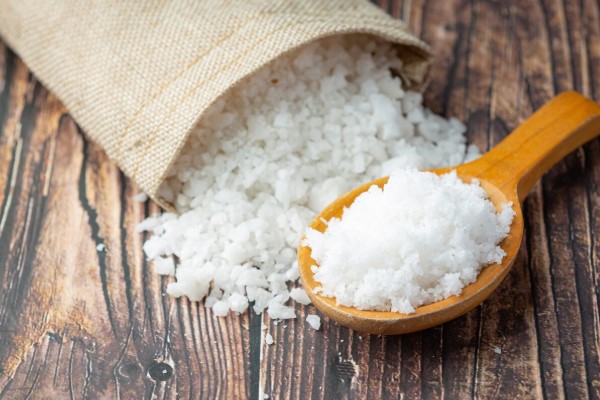
Sea salt is one of the most mineral-rich natural elements in UK wellness products. Sourced from the British coastline—particularly Cornwall and Essex—it arrives in London with a long-standing reputation for therapeutic use. Packed with magnesium, potassium, and calcium, sea salt nourishes the skin while cleansing it, making it a common addition to exfoliants and bath soaks.
Beyond its physical exfoliating qualities, people also use sea salt in detoxifying rituals. Bathing in it may help reduce water retention and ease joint discomfort. Its natural antiseptic properties can calm skin conditions such as eczema and psoriasis, offering a natural alternative to harsher chemical treatments. This makes it especially appealing to those seeking gentle, non-invasive skincare.
The popularity of sea salt in London’s natural beauty market continues to grow. Artisan brands incorporate it into scrubs, foot soaks, and even deodorants, reflecting a back-to-basics approach to body care. By harnessing the elements of the sea, urban dwellers find a connection to nature, even in a bustling metropolis. Sea salt remains a core component of many wellness routines throughout the capital.
9- Nettle
10- Activated Charcoal
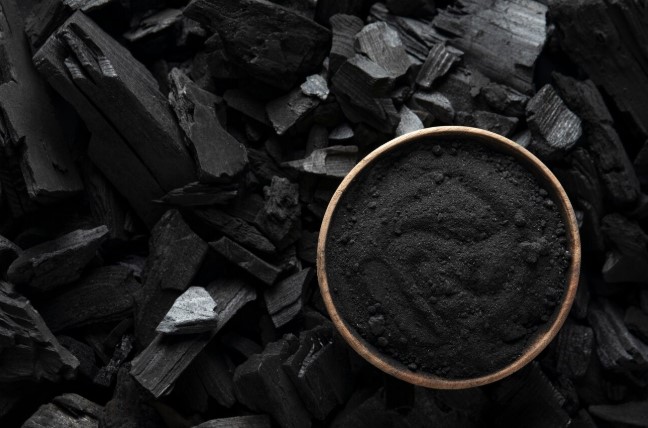
Activated charcoal has become one of the most dynamic purifying agents used in London’s natural skincare industry. Produced by heating carbon-rich materials like coconut shells or wood, it undergoes a process that increases its surface area. This makes it highly absorbent, able to bind to toxins and draw out impurities from the skin. It is especially prevalent in masks, cleansers, and soaps.
In urban environments like London, where pollution can clog pores and dull the skin, activated charcoal is a practical solution. It targets dirt, oil, and bacteria, helping to improve clarity and reduce breakouts, particularly for oily or combination skin. Its mattifying effect also appeals to those dealing with unwanted shine or uneven skin tone.
Despite its dramatic black appearance, activated charcoal is gentle when used properly. Many brands formulate it with hydrating ingredients like aloe or shea butter to counterbalance its drying effect. Used once or twice weekly, it can visibly brighten and smooth the complexion, offering a deep cleanse without aggressive exfoliation. This makes it suitable for both young and mature skin types.
In London’s green beauty movement, activated charcoal has carved a strong niche. It’s also in toothpaste, deodorants, and even detox drinks, thanks to its reputation as a cleansing powerhouse. While not sourced locally, its utility and effectiveness have made it a favourite among those seeking minimalist, results-driven skincare. As part of daily rituals or weekly treatments, activated charcoal continues to be a modern staple in natural wellness.
Faq’s
What are the best natural ingredients in London?
The best natural ingredients in London typically include plant-based, organic, and unprocessed elements used in beauty, wellness, and health-related products. Producers often source these ingredients ethically, and they remain free from synthetic chemicals. Many people in London are turning to these options for a more sustainable and holistic lifestyle.
Why are natural ingredients becoming more popular in London?
There’s a growing demand for cleaner, eco-conscious choices across the city. People are increasingly aware of the long-term benefits of using natural components that are gentle on the body and the environment. Health-conscious individuals largely drive this shift as they seek purity and transparency in the products they use daily.
How can I identify high-quality natural ingredients in London?
Identifying high-quality botanical or organic ingredients involves reading product labels carefully and looking for certifications like “organic” or “cruelty-free.” Understanding where and how the ingredients are sourced also helps. Transparency and minimal processing are usually indicators of superior quality.
Are natural ingredients in London suitable for sensitive skin?
Yes, many natural ingredients in London are especially suitable for people with sensitive skin. Because they tend to be free from harsh chemicals and artificial fragrances, they are often less irritating. However, it’s still important to check for individual allergies or sensitivities before use.
What are the environmental benefits of using natural ingredients?
Using raw and unrefined components has several ecological advantages. They typically require fewer resources to produce, create less pollution, and are often biodegradable. Choosing sustainably sourced natural ingredients supports a healthier planet and reduces the demand for synthetic alternatives.