

¿Qué vas a encontrar aquí?
London confectionery specialities have a rich history that continues to delight both locals and visitors alike. These sweet treats offer a unique taste of the city’s culinary heritage. From traditional recipes passed down through generations to modern innovations, London sweet indulgences showcase a diverse range of flavours and textures. Whether enjoyed as a quick snack or a thoughtful gift, these delights embody the essence of British confectionery craftsmanship.
Moreover, London confectionery specialities reflect the city’s vibrant culture and creativity. They often combine classic ingredients with unexpected twists, appealing to a wide variety of palates. As the demand for quality sweets grows, artisans focus on perfecting their recipes while respecting time-honoured techniques. Consequently, London candy specialities remain a symbol of excellence and indulgence, attracting sweet lovers from all walks of life.
Best London confectionery specialities
Among the best London sweet confections, one finds a remarkable balance between tradition and innovation. Many sweets are carefully crafted using premium ingredients to ensure exceptional flavour and texture. Additionally, these treats often feature distinctive shapes and colours that make them visually appealing. This attention to detail enhances the overall experience, making them not just a delight to taste but also to behold.
Furthermore, London confectionery specialities often offer a variety of flavours that cater to different tastes. Some sweets focus on rich, creamy textures, while others highlight crisp, crunchy sensations. They may incorporate ingredients such as nuts, spices, or delicate floral notes to create complex flavour profiles. This diversity allows confectionery lovers to explore new tastes and find their personal favourites among the many options available.
1- Toffee

Toffee is a classic confection that has delighted sweet lovers for generations. This chewy treat boasts a rich, buttery flavour that melts slowly in the mouth, delivering a satisfying balance between sweetness and creaminess. Its texture stands out as both soft and firm, offering a pleasant snap when bitten. Unlike harder toffees, London toffee manages to stay tender enough to chew easily, which makes it a nostalgic favourite among many Londoners.
The making of London toffee involves cooking butter, sugar, and cream to a precise temperature, allowing the mixture to develop its distinctive caramel notes. During the cooking process, the sugar caramelises and creates a glossy, golden colour that signals the perfect consistency. The slow cooking method enhances the depth of flavour, setting it apart from other sugary treats. Some recipes may also add a hint of vanilla or salt to further enrich the taste profile.
London toffee holds a special place in British confectionery history. It often evokes memories of old-fashioned sweet shops and childhood treats. Many remember buying individually wrapped pieces or sharing a toffee stick at fairs and markets. This enduring appeal comes from its timeless flavour and texture, which have remained largely unchanged over the decades. Despite modern variations, the original recipe remains a staple for those seeking authentic London confectionery delights.
In recent years, London toffee has seen a resurgence, with artisanal producers experimenting with flavours such as sea salt, espresso, or even chilli. You can find the classic ice cream flavour in the best ice cream shops. However, the traditional version still reigns supreme in many sweet shops across the city. It represents the perfect combination of simplicity and indulgence, making it a true icon among London’s classic sweets. Those exploring London dessert treats will find this toffee a delightful example of British heritage and craftsmanship.
2- Chelsea Bun

The Chelsea bun is a distinctive sweet pastry known for its spiral shape and rich, fruity filling. This baked delight consists of soft, yeast-leavened dough rolled around a mixture of currants, brown sugar, and cinnamon, which imparts a warm, aromatic flavour. The bun’s shiny, sticky glaze adds a glossy finish that makes it visually inviting and sweet to the palate. Its perfect balance of textures, with a tender crumb and gooey centre, makes it a beloved treat in London bakeries.
Baking a Chelsea bun requires careful preparation to ensure the dough rises just enough to become fluffy without being too dense. The filling is spread evenly before rolling, which guarantees each slice contains generous pockets of sweet fruit and spice. Once baked, the buns are coated with a sugar syrup that seeps into the layers, creating a moist and shiny surface. This sticky glaze is key to the Chelsea bun’s distinctive appeal, providing extra sweetness and a slight chewiness.
Historically, the Chelsea bun emerged in the 18th century and has been associated with the Chelsea area of London. Over time, it has become a staple of British teatime snacks, often enjoyed with a cup of tea or coffee. Its popularity lies in the comforting combination of familiar ingredients and a rich, indulgent flavour that satisfies sweet cravings. Despite its origins, the Chelsea bun is now enjoyed widely across the UK and forms an important part of confectionery specialities.
Modern variations of the Chelsea bun sometimes include added ingredients such as glacé cherries, mixed peel, or different spices. However, the traditional currant and cinnamon version remains the most recognised. Its aromatic sweetness and soft texture continue to delight those who appreciate classic baked goods. For anyone interested in London’s confectionery scene, the Chelsea bun offers a delicious glimpse into the city’s baking heritage.
3- Eccles Cake
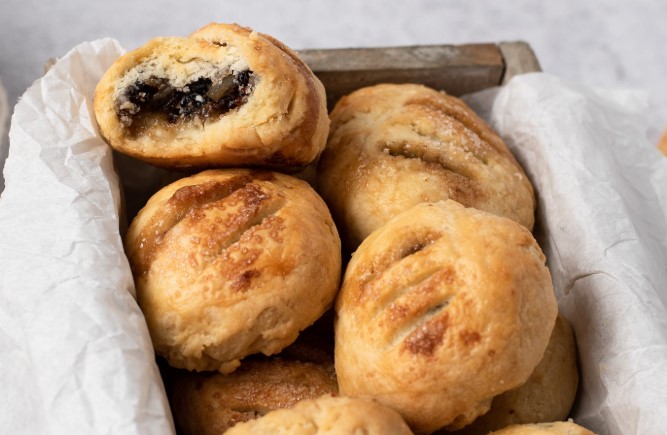
Eccles cakes are flaky pastries filled with a rich mixture of currants, sugar, and warming spices. Though originally from Eccles in Greater Manchester, these delicacies have gained popularity in London’s confectionery shops and markets. Their golden, buttery crust contrasts perfectly with the moist, spiced fruit filling, offering a satisfying bite that combines texture and flavour. The delicate layers of pastry are rolled thin and baked to achieve a light, crisp finish.
The preparation of Eccles cakes demands skill to create the perfect balance between pastry and filling. The currants are mixed with sugar, butter, and often a hint of nutmeg or cinnamon to enhance their sweetness and add depth. Bakers carefully fold the pastry around the filling, ensuring it remains sealed while allowing steam to escape during baking. This technique helps maintain the cake’s distinctive flaky texture while keeping the inside moist and fragrant.
While the Eccles cake’s origin is northern, London’s appreciation for this treat is evident in many traditional sweet shops across the city. It is often enjoyed as a quick snack or dessert, paired with tea or coffee. The cake’s rich fruit filling and buttery crust embody the essence of classic British pastries. Its enduring popularity among Londoners reflects a love for traditional baked sweets that combine quality ingredients and expert craftsmanship.
Today, Eccles cakes continue to inspire variations, such as the addition of orange zest or mixed dried fruits. However, the traditional version remains the most sought-after, prized for its simplicity and authentic flavour. For those exploring confectionery specialities, Eccles cakes provide a delicious insight into a pastry with both regional roots and national appeal. Its presence in London highlights the city’s diverse and rich sweet heritage.
4- Parkin
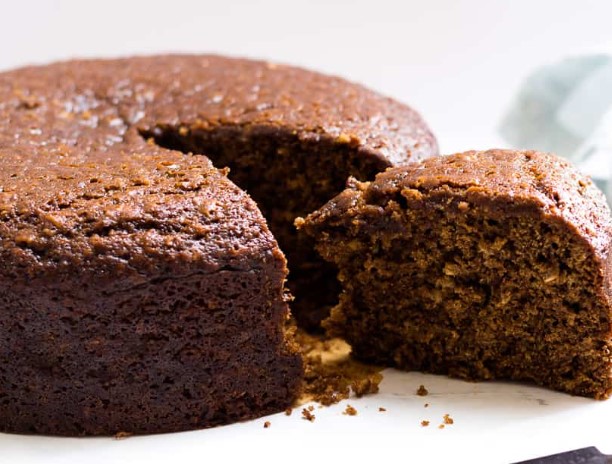
Parkin is a traditional gingerbread cake well-loved in many parts of the UK, especially in the north of England, but it is also a recognised favourite among London traditional confectionery. This moist cake combines oatmeal, treacle, and a blend of warming spices such as ginger and cinnamon. Its dense texture and robust flavour make it perfect for colder months when rich, comforting sweets are in demand. The sticky treacle adds a dark sweetness that complements the spicy notes beautifully.
The process of making parkin involves mixing oatmeal and flour with golden syrup or treacle to create a thick batter. The mixture is then baked until firm but moist, resulting in a cake that is slightly sticky on the outside and soft within. This unique texture sets parkin apart from other gingerbreads or spice cakes. Many recipes recommend resting the cake for a day or two to allow the flavours to fully develop and the texture to soften further.
In London, parkin is enjoyed seasonally, especially around autumn and winter, as it pairs wonderfully with a hot cup of tea. It is often associated with traditional British baking and harvest festivals. Its hearty ingredients and deep, warming taste evoke a sense of home and tradition. Parkin’s popularity in London reflects an appreciation for baked goods that combine flavour, texture, and cultural significance.
While parkin recipes vary slightly, the essential ingredients of oatmeal and treacle remain constant. Some versions may include additional spices or nuts, but the traditional recipe is prized for its simplicity and authenticity. Parkin stands as a prime example of London gourmet sweets that draw on rich British baking traditions to create timeless, satisfying treats. It remains a cherished part of the sweet landscape in the city.
5- Jaffa Cakes
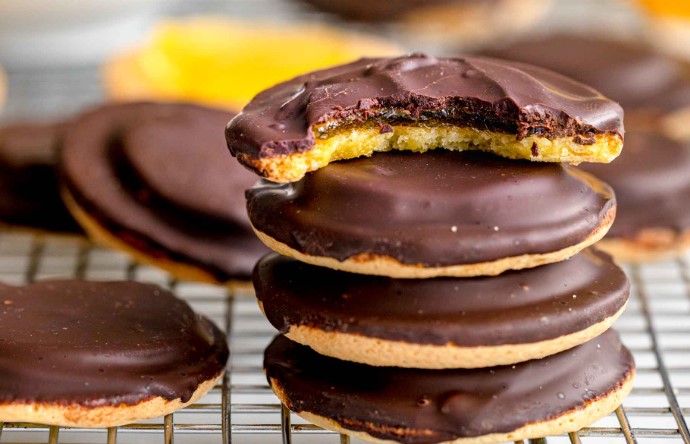
Jaffa Cakes are a much-loved sweet treat that combines three distinct layers: a soft sponge base, a tangy orange jelly centre, and a smooth dark chocolate coating. This combination offers a harmonious balance of textures and flavours, making Jaffa Cakes one of the most recognised London candy specialities. Their compact size and refreshing taste make them popular for snacking and sharing.
The base of a Jaffa Cake is a light, airy sponge that provides a gentle contrast to the firmer jelly topping. The orange jelly adds a citrusy burst, which cuts through the sweetness of the chocolate. The chocolate coating adds a rich, creamy layer that encases the jelly perfectly, providing a satisfying snap when bitten. Together, these elements create a flavour profile that is both sweet and slightly tart.
Jaffa Cakes hold a unique place in British confectionery culture due to their hybrid status between cake and biscuit. This distinction has even been the subject of legal debates. Their popularity has endured since their introduction, thanks to their distinctive taste and convenience as a portable snack. Londoners and visitors alike enjoy them as a quick, indulgent treat.
Various producers have experimented with different flavours, but the classic orange and dark chocolate combination remains the most famous. Some variations include other fruit flavours or white chocolate coatings. Nonetheless, the original Jaffa Cake continues to epitomise the charm and creativity found in confectionery specialities. It is a perfect example of how simple ingredients can be crafted into an iconic sweet enjoyed across the UK.
6- Pork Pies (Sweet Versions)
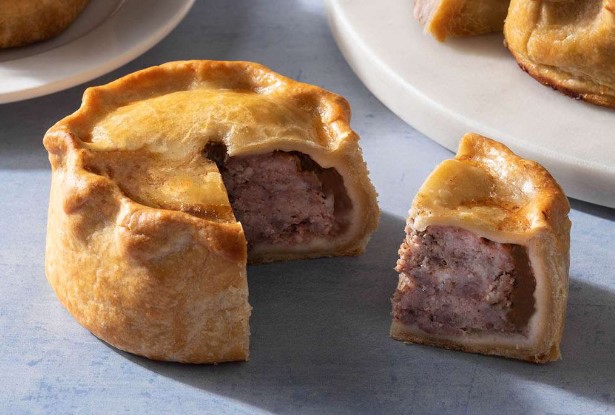
Pork pies are a well-known savoury treat in London, but some bakeries add a twist by offering sweet versions. These innovative pies blend the traditional firm pastry with fruity fillings such as apples or cherries. This fusion creates a unique balance between the rich, crumbly crust and the fresh, sweet fruit inside. Unlike classic pork pies, which are among the best dishes in the UK, these desserts introduce a playful contrast that excites the palate.
The pastry used in these sweet pork pies remains buttery and crisp, much like their savoury counterparts. However, the fillings take centre stage with natural sweetness and slight tartness from the fruit. Bakeries often use locally sourced apples or hand-picked cherries, ensuring the flavours are vibrant and authentic. The melding of a savoury pie crust with confectionery fillings highlights the inventive spirit within London’s culinary scene.
These sweet pork pies are often enjoyed during afternoon tea or as a light dessert after a meal. Their moderate sweetness makes them an excellent accompaniment to tea or coffee. They also appeal to those looking for something different from traditional cakes or pastries. This alternative treats the taste buds to a combination rarely found in other confectionery specialities.
Over time, this style of pork pie has gained popularity among both locals and visitors. The creative use of fruit fillings exemplifies how London classic candies evolve while respecting traditional baking methods. Moreover, these pies showcase how sweet and savoury elements can harmonise perfectly. Thus, sweet pork pies stand as a testament to London’s diverse and inventive dessert culture.
7- Caraway seed cake
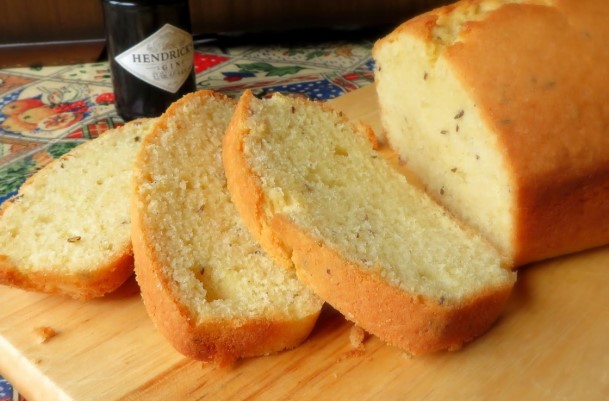
Seed cake is a classic British confection that holds a special place in London’s sweet history. This traditional cake is studded generously with caraway seeds, which lend a distinct and subtle aroma to the baked good. The seeds provide a gentle, slightly anise-like flavour that sets seed cake apart from other confectionery specialities. This combination of fragrant spices and a tender crumb makes it a beloved treat.
The texture of seed cake is soft yet firm, often achieved by using butter, sugar, and eggs in the batter. The seeds are carefully mixed throughout, ensuring every bite contains their characteristic flavour. Bakers take great care to balance the seeds’ intensity so it complements rather than overwhelms the sweetness. This delicate balance is key to seed cake’s enduring appeal in London’s baking tradition.
Historically, seed cake was popular as a teatime snack, enjoyed alongside a hot cup of tea. Its mildly sweet taste and fragrant notes provide a comforting experience. Furthermore, the cake can be found in a variety of forms, from simple loaves to more ornate versions with icing or glaze. These variations demonstrate the adaptability of seed cake within London’s confectionery repertoire.
Today, seed cake remains a symbol of London’s culinary heritage. It represents the city’s fondness for simple, flavourful desserts that evoke nostalgia. While many modern sweets have emerged, seed cake’s charm lies in its timeless recipe and aromatic profile. Consequently, seed cake continues to enchant those exploring London confectionery specialities.
8- Syllabub
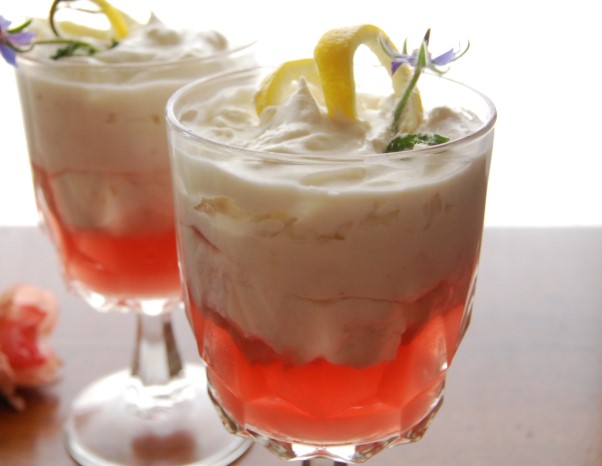
Syllabub is a traditional English dessert that is both creamy and refreshing, popular in London’s confectionery offerings. This frothy treat combines whipped cream with lemon juice and often a splash of sherry or white wine. Its light, airy texture contrasts with the rich flavours, creating a delicately balanced dessert. Syllabub is usually served chilled, making it a favourite during warmer months.
The preparation of syllabub involves whipping the cream until it forms soft peaks, then folding in the lemon juice to add a tangy brightness. The optional alcohol adds depth and complexity without overpowering the creaminess. The result is a dessert that feels indulgent yet light on the palate. This combination of fresh acidity and creamy sweetness defines syllabub’s unique appeal.
Syllabub was historically served in small glasses or cups, often adorned with grated nutmeg or lemon zest for extra fragrance. It pairs wonderfully with simple sponge cakes or fresh berries, enhancing the overall experience. This dessert showcases the elegance of London confectionery specialities through its minimal ingredients and sophisticated flavour profile.
Over time, syllabub has remained a beloved classic, celebrated for its simplicity and finesse. It exemplifies how London’s dessert culture embraces both tradition and subtle innovation. Moreover, syllabub offers a refreshing alternative to heavier sweets, especially during spring and summer. Its enduring popularity highlights the lasting appeal of light, creamy desserts in London.
9- Butterscotch
Butterscotch is a rich, buttery hard candy deeply rooted in London’s traditional sweet shops. This confection is known for its intense caramelised sugar flavour, combined with a creamy, buttery undertone. The slow cooking of sugar and butter creates a glossy, amber-coloured treat that melts smoothly on the tongue. Butterscotch is often handmade, preserving the craftsmanship of old-fashioned candy making.
The texture of butterscotch is firm yet gives way easily to the heat of the mouth. It offers a satisfying crunch followed by a smooth, lingering flavour. The candy’s richness comes from high-quality butter and carefully controlled caramelisation. This process ensures the flavour is deep but not bitter, setting it apart from regular toffees or caramel sweets.
Traditionally, butterscotch was sold in small shops throughout London, where artisans would craft each batch by hand. The confection’s nostalgic appeal lies in its comforting flavour, which evokes memories of simpler times. It is often enjoyed as a treat during teatime or shared as a sweet snack. Its presence in London candy specialities reflects a dedication to classic, timeless sweets.
In recent years, butterscotch has also inspired variations that incorporate nuts or sea salt, adding new layers of flavour. Despite these innovations, the core of butterscotch remains the same — a rich, buttery candy with a luscious caramel depth. This makes butterscotch a cherished example of London’s enduring confectionery craftsmanship.
10- Crystallized Ginger

Crystallized ginger is a distinctive London sweet that combines spicy warmth with sugary sweetness. This confection consists of ginger root pieces cooked in sugar syrup and then dried, resulting in chewy, crystallized morsels. The sharp, spicy bite of ginger contrasts beautifully with the sugar coating, creating a dynamic flavour experience. Crystallized ginger often appears as both a snack and an ingredient in various desserts.
The ginger used for this sweet is carefully prepared to maintain its natural zing while being mellowed by the sugar. The crystallization process preserves the root’s fibrous texture, making each piece pleasantly chewy. This confection also offers subtle health benefits, as ginger is known for aiding digestion and soothing nausea. These qualities add to the appeal of crystallized ginger in London’s confectionery collection.
Crystallized ginger is versatile, frequently incorporated into cakes, biscuits, and puddings to add a spicy note. It pairs well with chocolate and citrus flavours, enhancing the complexity of desserts. Additionally, it can be enjoyed alone as a palate cleanser or a sweet snack. This adaptability highlights its unique role among London confectionery specialities.
Over time, crystallized ginger has maintained popularity due to its distinctive taste and texture. It provides a refreshing alternative to overly sweet or rich sweets, appealing to those seeking something different. Thus, crystallized ginger stands out as a spicy-sweet highlight within London’s diverse confectionery traditions.