

¿Qué vas a encontrar aquí?
London is a city full of surprises, with layers of history, culture, and modern innovation coexisting in fascinating ways. Over the centuries, it has become a place where traditions blend seamlessly with quirky modern habits. From hidden historical oddities to unexpected cultural practices, there are countless curious facts about London that many locals and visitors alike don’t even realise. These intriguing details offer a fresh perspective on one of the world’s most iconic capitals.
What truly makes the city stand out goes beyond grand landmarks or busy streets. Instead, small, strange, and often unnoticed features tell unique stories. These hidden details add depth and personality to London. For example, something may lie buried beneath the pavements. Alternatively, an unusual law might still exist today. Curious facts like these are scattered across the entire metropolis, waiting to be discovered. Exploring these lesser-known truths can make walking through the city feel like stepping into a live history book full of eccentric twists.
Curious facts about London
One of the most interesting aspects of the city is how its layout has been influenced by centuries of change, sometimes resulting in peculiar urban features. From sudden street bends to doors that lead nowhere, the layout often reflects past decisions that no longer serve a clear purpose today. These remnants of the past reveal how the city constantly reinvents itself while preserving its unusual heritage. Each hidden passageway or unexpected detail invites curiosity and offers a glimpse into a forgotten era.
Another point of fascination lies in the city’s culture and social habits. There are customs that seem bizarre to outsiders yet are perfectly normal to those who live there. Even public infrastructure sometimes has surprising origins or functions that are not widely known. These quirks add a sense of mystery and charm to the city. As a result, they encourage both residents and tourists to explore further. People feel inspired to dig a little deeper and uncover curious facts about London. In turn, these discoveries reveal what gives the city its distinctive character.
1- Big Ben is not the clock, but the bell inside the Elizabeth Tower
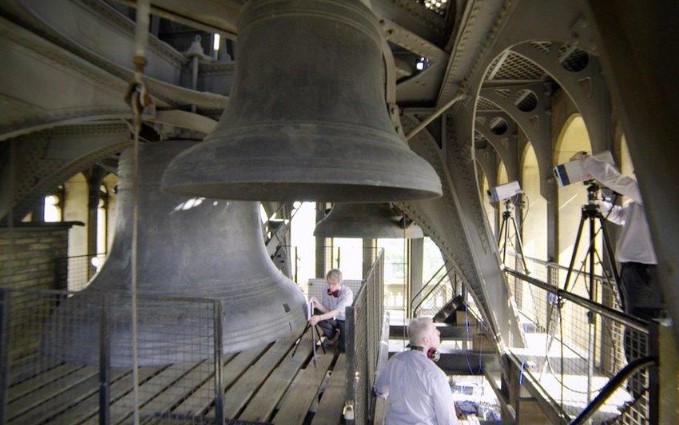
Many people incorrectly refer to Big Ben as the clock itself. In reality, Big Ben is the name of the Great Bell housed within the iconic Elizabeth Tower. This monumental structure was completed in 1859 and stands at an impressive height of 316 feet. The name “Big Ben” is believed to have originated from Sir Benjamin Hall, who oversaw the tower’s construction. It is fascinating how such a prominent symbol of London is often misidentified.
The Elizabeth Tower, often shrouded in the mist of London’s weather, is a masterpiece of Victorian architecture. Its clock mechanism is renowned for its accuracy and has been meticulously maintained since its inception. The tower features four clock faces, each measuring 22.5 feet in diameter, which allows Londoners and tourists alike to check the time from various angles. The intricate design and engineering behind this structure are a testament to the ingenuity of its creators.
Moreover, Big Ben has become an enduring symbol of London and British culture. It is frequently featured in films, television shows, and literature, serving as a backdrop for stories that capture the essence of the city. The chimes of Big Ben resonate throughout Westminster, marking the passage of time for those who live and work nearby. It’s a sound that is both familiar and comforting to Londoners.
Lastly, the future of Big Ben and the Elizabeth Tower is of great importance. Ongoing preservation efforts aim to protect this landmark for future generations. The tower underwent significant restoration in recent years, ensuring that its historical integrity remains intact. As London continues to evolve, Big Ben stands as a reminder of its rich history and cultural significance.
2- London has more than 3,500 pubs, some with centuries of history

London’s pub culture is one of the most vibrant aspects of its social life. With over 3,500 pubs scattered across the city, many of these establishments boast rich histories that date back centuries. From ancient coaching inns to modern gastropubs, these watering holes offer a glimpse into the past. Each pub has its own unique story, often woven into the fabric of the city’s history.
Many of the oldest pubs in London have witnessed significant events throughout British history. For instance, The Olde Cheshire Cheese on Fleet Street has been serving patrons since 1667, making it a historical landmark. This pub has welcomed writers, politicians, and artists, including the likes of Charles Dickens and Mark Twain. Its dark wooden beams and cosy nooks invite visitors to step back in time and enjoy a pint in the same space as legends.
Additionally, the decor and atmosphere of these pubs often reflect their history. Many are adorned with memorabilia, photographs, and furnishings that tell stories of the past. Some pubs even feature ghost stories, adding an element of intrigue to the experience. Whether it’s a quaint corner pub or a bustling tavern, the ambience is always inviting.
Finally, the significance of pubs in London extends beyond mere drinking establishments. They serve as community hubs, where people gather to share stories, celebrate milestones, and forge friendships. This communal aspect has kept them relevant through changing times. As London continues to grow and modernise, these historic pubs remain a cherished part of the city’s identity.
3- The London Underground is the oldest in the world, opened in 1863
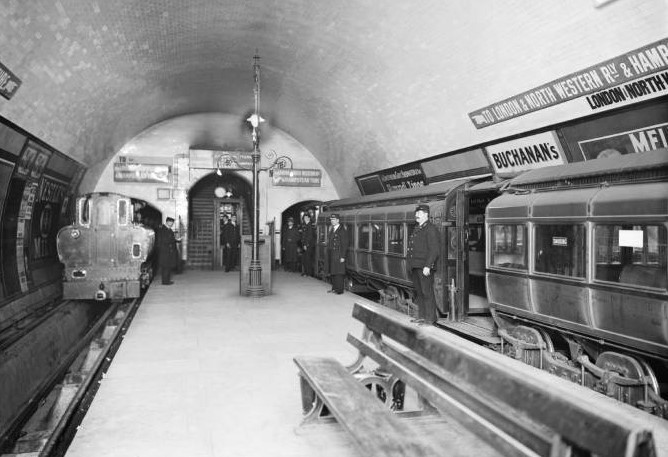
The London Underground holds the title of being the oldest underground railway network in the world. Opened in 1863, it revolutionised public transport in London and paved the way for urban rail systems globally. The first line, the Metropolitan Railway, connected Paddington to Farringdon and was a remarkable engineering achievement for its time. It is fascinating to think about how this innovation has shaped the city’s development.
From its early days, the Underground has expanded significantly. Today, it boasts 11 lines and serves 272 stations across Greater London. The network has become an essential part of daily life, transporting millions of passengers each week. The iconic Tube map, designed by Harry Beck in 1931, has also become a symbol of the Underground’s efficiency and accessibility.
Moreover, the London Underground is known for its unique architecture and design. Many stations feature distinct styles and artworks that celebrate the city’s heritage. For example, the Baker Street station showcases tiles that pay homage to Sherlock Holmes, while the South Kensington station features an ornate design reminiscent of the Victorian era. This blend of history and modern functionality creates a captivating travel experience.
Lastly, the Underground is not without its quirks and stories. The network has its own set of legends, from ghost sightings to hidden tunnels. Some stations, like Aldwych, have been closed for years and are now the subject of urban exploration. The London Underground remains an integral part of the city’s identity, where history and innovation intersect in the heart of London.
4- The Tower of London is home to the royal ravens, whose legend is that if they disappear, the kingdom will fall
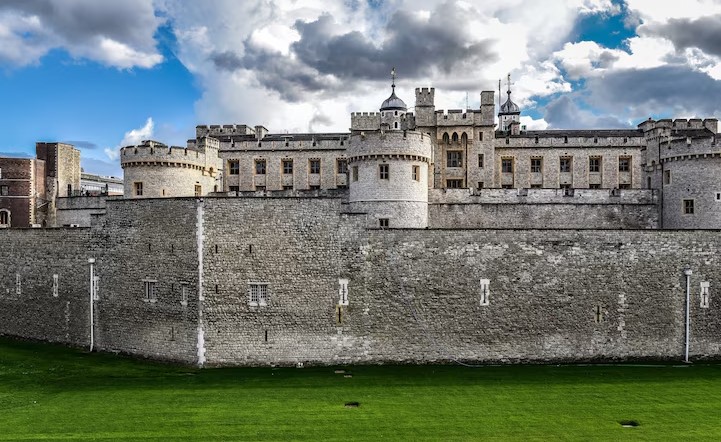
The Tower of London is steeped in history and intrigue, particularly regarding its resident ravens. According to legend, the kingdom will fall if the ravens ever leave the tower. This belief has led to the establishment of a dedicated Ravenmaster, tasked with caring for these magnificent birds. The presence of the ravens adds an air of mystery to the historic site, which has witnessed countless events throughout British history.
These ravens are not just a quirky attraction; they have significant historical roots. The tradition of keeping ravens at the Tower dates back to the reign of King Charles II in the 17th century. He was convinced that their presence was crucial for the stability of the monarchy. Since then, the ravens have become symbols of the Tower and the nation itself, drawing visitors from around the world.
The raven population at the Tower is carefully managed, with a minimum of six birds always present. Each raven has its own name, and they are known for their intelligence and unique personalities. Visitors often delight in watching them interact with one another and their surroundings. The care provided by the Ravenmaster ensures these birds thrive in their historic home.
Moreover, the ravens’ lore contributes to the Tower’s allure. Tourists are captivated by the stories surrounding these birds and the role they play in British folklore. The combination of history, legend, and nature makes the Tower of London a truly unique destination. As custodians of the monarchy’s fate, the ravens are an enduring symbol of the city’s rich heritage.
5- The London Eye has 32 capsules, but they are numbered from 1 to 33 because the number 13 was omitted
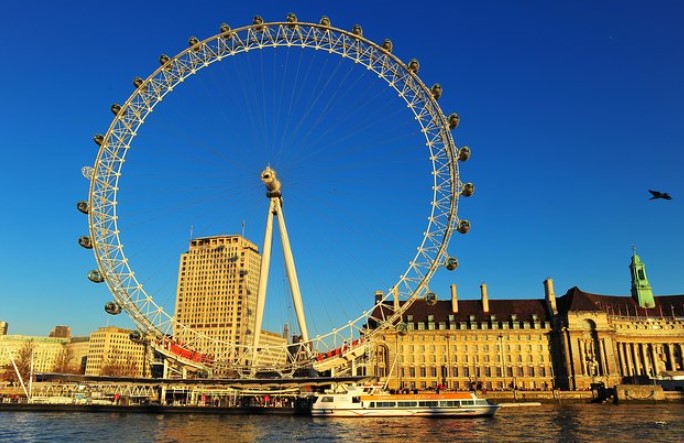
The London Eye, an iconic symbol of the city, offers stunning views of the skyline. Interestingly, it features 32 capsules, each designed to hold up to 25 people. However, these capsules are numbered from 1 to 33, intentionally skipping the number 13. This omission is rooted in superstition, as many cultures consider the number 13 to be unlucky.
The design of the London Eye is a marvel of modern engineering. Opened in 2000, it stands at a height of 443 feet, making it one of the tallest observation wheels in the world. The capsules are constructed from glass, providing 360-degree views of London’s landmarks. Each rotation takes about 30 minutes, allowing passengers to soak in the breathtaking scenery.
Visiting the London Eye is more than just a ride; it’s an experience. As you ascend, you can spot famous sites such as the Houses of Parliament, Buckingham Palace, and St. Paul’s Cathedral. The panoramic views are truly spectacular, particularly at sunset. The Eye has become a must-visit attraction for both locals and tourists, integrating seamlessly into the city’s landscape.
Additionally, the London Eye has become a symbol of celebration. It is adorned with lights during special occasions, making it a focal point for events like New Year’s Eve. The intriguing design and the stories behind it, including the number 13, add to its charm. As London continues to evolve, the London Eye remains a timeless emblem of the capital’s spirit.
6- The River Thames has more than 30 bridges, with Tower Bridge being the most iconic
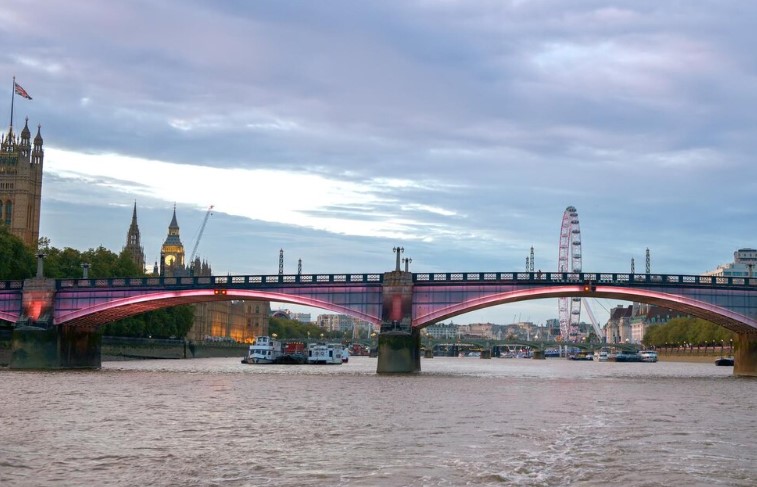
The River Thames, a vital artery of London, snakes its way through the city. It connects the city’s diverse districts and holds many secrets. You likely know of the famous Tower Bridge, but the Thames boasts a collection of over 30 bridges. Each bridge tells a story of engineering, design, and London’s ever-evolving needs. Some are grand, like Westminster Bridge, offering stunning views of Parliament. Others are more modest, serving local communities. Consider the less celebrated bridges, like the Albert Bridge, known for its swaying motion. It’s a reminder of the ingenuity required to build across a flowing river.
Furthermore, the bridges reflect London’s growth. From the medieval London Bridge, the only crossing for centuries, to the modern structures, each bridge marks an era. The building of the bridges reveals a shift in architectural styles. The bridges also showcase London’s adaptation to new technologies. The construction of these bridges was a challenging undertaking. The bridges also faced the threat of bombing during the Second World War. They stand as monuments to human endeavour and resilience.
Beyond the iconic Tower Bridge, the bridges are also symbols of London’s connection to the world. They support the movement of goods and people. The bridges are also vital for communication and trade. They also offer a unique perspective of London. The bridges also provide stunning views of the city’s landmarks. The bridges also serve as a testament to London’s place in the history of engineering.
Finally, the bridges are also a reminder of London’s diverse population. The bridges also support the daily lives of Londoners from all walks of life. They also showcase the city’s vibrant culture. The bridges also reflect London’s rich history. So, the next time you cross a London bridge, remember the stories etched into its stone and steel.
7- The city has more than 1,500 castles and palaces, many still inhabited
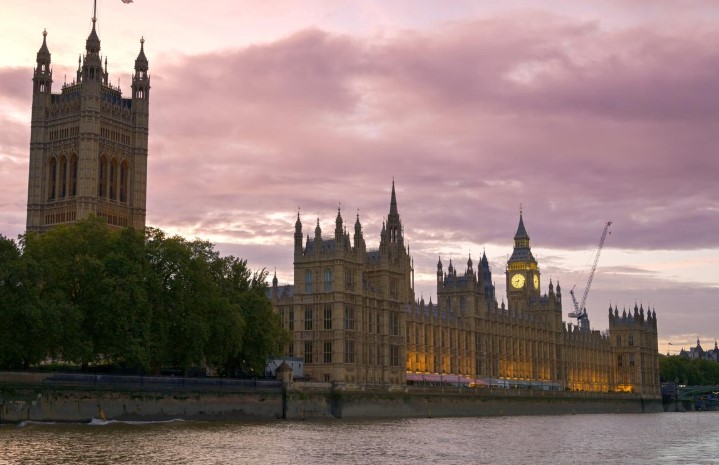
London is a city steeped in royal history. It has been the seat of power for centuries. Beyond the better-known Buckingham Palace and Windsor Castle, London is home to an astonishing number of palaces and castles. The exact figure fluctuates, but it’s estimated to be over 1,500. This is a testament to the city’s historical significance and the enduring presence of royalty. Many of these structures, though, are not always grand fortresses or palaces. They range from humble manor houses to the remains of once-mighty fortifications.
These castles and palaces tell tales of power struggles. They also tell tales of royal intrigue and architectural evolution. Some, like the Tower of London, served as both a fortress and a prison. Others, like Hampton Court Palace, showcase the opulent lifestyles of monarchs. The architecture itself reflects the changing tastes and technological advancements of each era. The buildings provide us with a unique window into the past.
Additionally, many of these properties remain in use. Some are still private residences. Others have been transformed into museums, offices, or hotels. This means that history is alive. It is still a part of everyday London. The palaces and castles also offer a glimpse into the lives of the people who lived and worked within their walls. They are not just buildings; they are living, breathing embodiments of London’s rich heritage.
Furthermore, exploring these castles and palaces is like stepping back in time. It is an opportunity to engage with the stories of the past. It is a way to appreciate the lasting legacy of London’s royal lineage. Therefore, you should explore the diverse range of royal residences and fortresses that grace the city. The city’s historical legacy is reflected in the enduring presence of these remarkable structures.
8- The Soho district was a former hunting district before becoming a cultural centre
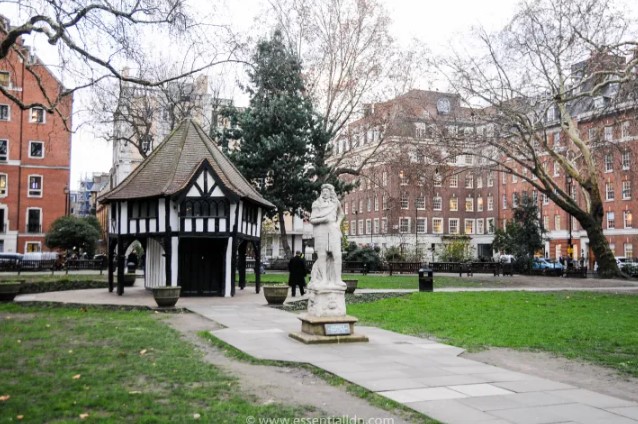
The district of Soho, now a vibrant hub of entertainment and culture, has a history that is surprisingly rustic. Initially, it was a hunting ground, a place where the wealthy would pursue game. The name “Soho” itself is believed to be derived from a hunting cry, a shout used to rally the hounds. This early use of the land is a stark contrast to the bustling, modern district we know today.
Later, Soho evolved into a fashionable residential area, attracting artists, writers, and intellectuals. The area’s central location and proximity to the royal court made it a desirable place to live. However, this early period also saw some darker developments, including the construction of brothels and gambling dens. The shift from hunting grounds to a more urban environment wasn’t a smooth one. Its reputation for bohemianism and independent spirit grew over time. Soho soon became a magnet for counter-culture, pushing boundaries and embracing artistic expression.
The 20th century witnessed a further transformation of Soho. The area became a centre for the film industry, music venues, and a thriving nightlife. The district’s unique character drew a diverse population, including immigrants and those seeking freedom of expression. The spirit of Soho embraced diversity and creative flair. It was a place where anything was possible.
Today, Soho continues to evolve, adapting to the changing times. Yet, the echoes of its past remain. It’s a reminder of the city’s ability to reinvent itself. You can still feel the echoes of the hunting cries, the ghosts of the artists, and the energy of the present. Soho stands as a testament to London’s ever-changing nature, a place where the unexpected is always around the corner.
9- Queen Elizabeth II was the longest-reigning monarch in British history

Queen Elizabeth II holds a significant place in British history. She holds the title of the longest-reigning monarch. Her reign spanned over seven decades. Her life was one of unwavering commitment and dedicated service. She ascended to the throne in 1952, marking the beginning of a new era for the United Kingdom. Her coronation was a grand spectacle, watched by millions around the world, symbolising the post-war recovery of the country.
During her reign, Queen Elizabeth II witnessed dramatic social and political changes. She navigated the decline of the British Empire, the rise of the Commonwealth, and the challenges of the modern world. The Queen was a symbol of stability and continuity in a time of constant flux. She met with numerous world leaders, including presidents, prime ministers, and other monarchs. Her ability to maintain a neutral stance and build relationships was crucial to the UK’s international standing.
Her role as Head of State was more than ceremonial. She opened Parliament, approved legislation, and acted as a unifying figure for the nation. She was a constant presence in the lives of the British people. Queen Elizabeth II was known for her sense of duty, her dignified demeanour, and her deep connection with the nation. She also showed a keen interest in culture, history and science. Her legacy is one of unwavering service and dedication to her people.
The Queen’s influence extended far beyond the United Kingdom. She was a respected figure globally. She represented the values of the UK. Her passing marked the end of an era, but her legacy as a symbol of duty, stability, and service will continue to inspire generations.
10- London has more security cameras per capita than any other city in the world
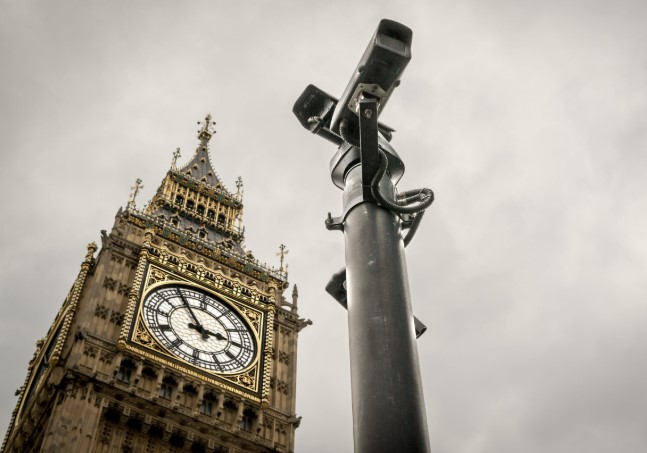
London is known for its extensive surveillance network. The city boasts more security cameras per capita than any other city in the world. This is a striking fact that raises questions about privacy and security. The network of cameras is designed to deter crime. However, it also creates a constant presence of surveillance in public spaces.
The history of this surveillance state dates back to the late 20th century. The rise in crime and terrorism prompted the deployment of cameras. The aim was to monitor public areas. This was to identify and prevent criminal activity. As technology advanced, the surveillance system expanded. Today, cameras are found on streets, in public transport, and in many private buildings.
The use of facial recognition technology is also increasing. This technology can identify individuals. It is used to track their movements. The deployment of such technologies is a source of ongoing debate. This is between the need for security and the protection of civil liberties. Critics argue that this extensive surveillance erodes privacy and creates a society under constant watch.
The authorities maintain that surveillance is necessary. It is necessary to ensure public safety. London’s surveillance network is a complex issue with no easy answers, reflecting the ongoing tension between security and freedom in the modern world.
Faq’s
What are some curious facts about London that surprise visitors?
Many visitors are surprised to learn how deeply historical layers coexist with modern developments throughout the city. It’s fascinating to walk through areas where contemporary skyscrapers tower beside remnants from centuries ago. Some of these facts are hidden in plain sight, while others require a bit of exploration to uncover.
Are there curious facts about London related to its transport system?
Yes, the transport system holds many secrets. There are places within the network that are no longer in use but still exist beneath the city’s surface. Over time, certain parts of the network were abandoned or repurposed, and these hidden areas now form part of the city’s urban mythology.
Are there any curious facts about London involving its architecture?
Absolutely. The city has strict regulations that affect how buildings are designed and constructed, which has led to some creative solutions. Certain rooftops and facades hide unexpected features or illusions that go unnoticed unless pointed out. These details add charm and mystery to even the most ordinary-looking buildings.
Are there curious facts about London connected to its weather?
The weather contributes to some of the city’s lesser-known characteristics. For example, temperature changes and fog historically influenced design choices in buildings and public spaces. Some of these effects are subtle but play a role in how the city functions day to day.
What curious facts about London are related to its underground world?
Beneath the surface lies a hidden network that includes more than just the transport system. There are long-forgotten spaces, sealed-off passageways, and entire sections that once served very different purposes. These underground elements are a testament to the city’s constant evolution and adaptation over time.