

¿Qué vas a encontrar aquí?
London is one of the world’s most iconic cities, and over time, it’s inspired countless sayings, expressions, and idioms. Whether spoken by locals or visitors, these English phrases about London capture the city’s unique charm, culture, and character. They reflect the daily experiences, historical quirks, and social atmosphere that have come to define life in the capital. From references to the weather to comments on travel and lifestyle, these expressions offer a glimpse into the local mindset.
Understanding common English phrases about London can add colour to conversations and help people connect more deeply with the city’s essence. These phrases are not just about language—they offer insights into London’s traditions, pace of life, and even its sense of humour. Whether you’re exploring the capital for the first time or are simply curious about British culture, getting to grips with these expressions is a great way to feel more in tune with the spirit of London.
English phrases about London
The use of English phrases about London often reveals how locals feel about their environment, from admiration to gentle frustration. Many of these phrases have been shaped by the city’s ever-changing weather, its historic transport systems, and the fast pace of urban life. They tend to be rich in local colour and can vary from one borough to another, making them a fascinating linguistic patchwork.
Beyond their surface meanings, English phrases about London can also carry a cultural weight. They highlight the way language adapts to place and community, especially in a city as diverse as London. Knowing these expressions can help make conversations more engaging, offer clarity in everyday situations, and create a stronger sense of belonging among those who live in or visit the city.
1- “Keep calm and carry on”
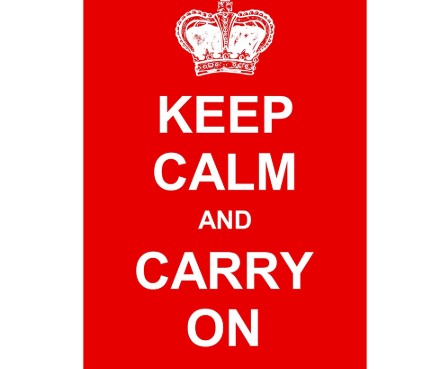
The phrase “Keep calm and carry on” originated in Britain during the Second World War. This slogan was part of a series of motivational posters created by the British government. Its purpose was to boost morale amidst the turmoil of war. Although the posters were not widely used at the time, they resurfaced in the early 2000s, becoming a cultural phenomenon. The simplicity of the phrase resonates with people facing challenges, encouraging resilience and perseverance.
The message behind “Keep calm and carry on” is timeless. It promotes the idea of maintaining composure in stressful situations. The phrase has been adopted in various contexts, from personal challenges to business environments. Its widespread popularity can be attributed to its relatable nature, allowing individuals to embrace a positive mindset. The phrase has also inspired countless adaptations, making it a staple in modern British culture.
In recent years, merchandise featuring this phrase has proliferated. From mugs to t-shirts, it epitomises British humour and stoicism. “Keep calm and carry on” has evolved beyond its original context, becoming a symbol of British identity. It serves as a reminder of the strength and resilience inherent in the British spirit. This phrase encapsulates a unique blend of humour and practicality, making it a favourite among locals and tourists alike.
Ultimately, “Keep calm and carry on” remains a powerful reminder. It encourages us to face adversity with grace. In a world filled with uncertainties, this phrase continues to inspire people to stay composed and move forward, regardless of the circumstances. Its historical significance and modern relevance ensure its place in the lexicon of English phrases about London.
2- “Mind the gap”

“Mind the gap” is an iconic phrase heard in London’s Underground system. This warning was first introduced in 1969 as a safety announcement. It aims to alert passengers to the space between the train and the platform. The phrase has since become synonymous with the London transport experience. It serves as a reminder to remain vigilant and cautious while navigating the bustling city.
The phrase’s origins lie in the need for safety. As the Underground became increasingly popular, so did the risk of accidents. The phrase was designed to enhance passenger awareness and prevent injuries. Over the years, it has transformed into a cultural catchphrase. Visitors to London often find it charming and quintessentially British, reflecting the city’s unique character.
“Mind the gap” has also inspired various artistic expressions. From merchandise to street art, it highlights London’s vibrant culture. The phrase has been embraced beyond the transit system, used in advertising campaigns and as a metaphor for bridging gaps in society. Its versatility makes it an enduring part of London’s linguistic heritage.
Moreover, “Mind the gap” embodies the city’s spirit of innovation. It showcases how a simple phrase can evolve into a cultural landmark. Its recognition extends far beyond London, making it a staple in discussions about British English. As visitors traverse the city, they are reminded to “mind the gap,” both literally and metaphorically, in their journey through life.
3- “London Calling”
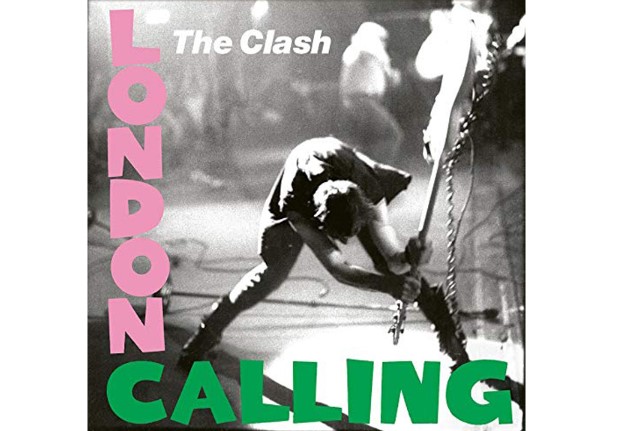
“London calling” is a phrase that evokes a sense of adventure and opportunity. It gained prominence through the iconic song by The Clash in 1979. The phrase captures the spirit of London as a vibrant metropolis, inviting individuals to explore its rich history and cultural diversity. It suggests that London holds endless possibilities for those willing to embrace them.
The phrase reflects the allure of the city. Many are drawn to London for its iconic landmarks, artistic scenes, and dynamic lifestyle. It symbolizes not only the physical call of the city but also the emotional pull it has on residents and visitors alike. London is often seen as a melting pot of cultures, where dreams can be realised.
In addition to its musical roots, “London Calling” has become a rallying cry for innovation and creativity. It inspires people from various backgrounds to converge in the city. The phrase has been used in various contexts, from promotional campaigns to personal anecdotes. It encapsulates the essence of London as a hub for inspiration and aspiration.
Ultimately, “London Calling” speaks to the heart of the city. It invites individuals to embrace the opportunities that lie within its streets. Whether it’s exploring historical sites or discovering hidden gems, the phrase serves as a reminder that London is a place where dreams can take flight. Its lasting impact on popular culture ensures its place among the cherished English phrases about London.
4- “A bad day in London is still better than a good day anywhere else”

This phrase eloquently captures the essence of London’s charm. Often attributed to Samuel Johnson, it reflects a deep-seated affection for the city. The sentiment suggests that even the most challenging days in London have their unique allure. It speaks to the city’s ability to uplift spirits, regardless of circumstances.
The phrase illustrates the idea of London as a beloved home. For many, the vibrancy of the city outweighs its occasional inconveniences. It acknowledges the hustle and bustle of urban life while celebrating the richness of experiences available. From historical landmarks to diverse culinary offerings, London provides a plethora of opportunities for enjoyment.
Moreover, this phrase resonates with locals and visitors alike. It highlights a sense of pride in the city. Many who have spent time in London feel a connection that transcends the ups and downs of daily life. The phrase serves as a reminder that the city’s unique character can turn even mundane moments into memorable ones.
Ultimately, “A bad day in London is still better than a good day anywhere else” encapsulates the spirit of resilience. It reinforces the notion that London is not just a place but a way of life. The phrase endures as a testament to the city’s ability to enchant and inspire, making it an integral part of English phrases about London.
5- “When a man is tired of London, he is tired of life”

6- “London is a roost for every bird”

The phrase “London is a roost for every bird”, said by Benjamin Disraeli, captures the essence of the city’s vibrant diversity. London has long been a melting pot of cultures, attracting individuals from all corners of the globe. This phrase metaphorically likens the city to a roost, a place where various birds come to settle. The imagery suggests that just as birds find comfort and community in a roost, people from different backgrounds find a home in London.
Historically, London’s allure has drawn countless migrants seeking opportunities, freedom, and a fresh start. From the arrival of Huguenots in the 17th century to the Windrush generation in the 20th century, London’s identity has been enriched by its newcomers. Each wave of migration has contributed to the city’s cultural tapestry, making it a unique place to live and thrive. The phrase reflects this ongoing narrative, highlighting the city’s role as a haven for those seeking acceptance and success.
Moreover, the concept of a ‘roost’ evokes a sense of shelter and safety. In London, individuals can find support networks that foster growth and creativity. The city’s diverse neighbourhoods offer various resources, including community centres, cultural festivals, and support groups. This makes it easier for newcomers to integrate and flourish in their new environment.
In essence, “London is a roost for every bird” not only signifies the city’s welcoming spirit but also underscores its dynamic nature. The phrase encapsulates the idea that London is a place where dreams take flight, regardless of one’s origin. It serves as a reminder of the importance of inclusivity and the shared human experience that unites its residents.
7- “The fog of London is like no other”

The phrase “the fog of London is like no other” evokes a sense of mystery and romance associated with the city. Renowned for its atmospheric fog, London’s mist has inspired countless literary works and artistic expressions throughout history. This phrase suggests that the fog is not merely a weather phenomenon, but an integral part of the city’s character, shaping its identity.
Historically, London’s fog was often attributed to the Industrial Revolution. The combination of smoke from coal fires and natural fog created a thick haze that enveloped the city. This phenomenon came to be known as “London fog” or “pea soup fog,” and it dramatically altered the cityscape. Writers like Charles Dickens vividly described this atmospheric condition, contributing to the city’s gothic allure. The phrase encapsulates the idea that this fog is woven into the very fabric of London’s history.
In addition to its historical significance, the fog has a unique ability to transform familiar sights into something extraordinary. Landmarks such as the Tower Bridge and Buckingham Palace take on an ethereal quality when shrouded in mist. This element of transformation adds to the city’s enigmatic charm. The phrase highlights how the fog creates a sense of wonder, encouraging exploration and adventure.
Ultimately, “the fog of London is like no other” signifies the city’s distinctive climate and its impact on the urban experience. It serves as a reminder that London is a place of contrasts, where clarity and obscurity coexist. This duality invites residents and visitors alike to embrace the unknown, making every journey through the city a unique encounter.
8- “London is a bad habit one hates to lose”

The phrase “London is a bad habit one hates to lose” captures the city’s irresistible charm and allure. It suggests that, despite any challenges, the city has a magnetic pull that keeps individuals returning. This notion resonates with those who have fallen in love with London’s vibrant energy and cultural richness.
Historically, London has been a hub of innovation and opportunity, attracting individuals from various backgrounds. The city’s relentless pace and dynamic environment can be addictive, drawing people into its rhythm. The phrase evokes the idea that, just like a bad habit, London can be hard to shake off. Many residents find themselves enchanted by the city’s offerings, from its bustling markets to its iconic theatres.
Moreover, this phrase reflects the emotional connection many have with London. The city becomes part of their identity, making it challenging to envision life elsewhere. The experiences shared, from late-night escapades to quiet moments in its parks, create lasting memories. This connection often leads to a longing for the city, even when its complexities and challenges are evident.
Ultimately, “London is a bad habit one hates to lose” encapsulates the city’s dual nature. It highlights the exhilarating highs and the occasional lows of urban life. This phrase serves as a testament to the captivating spirit of London, where the allure of the city keeps individuals craving more, even when they know it may not always be easy.
9- “Big Ben is not the clock, it’s the bell”
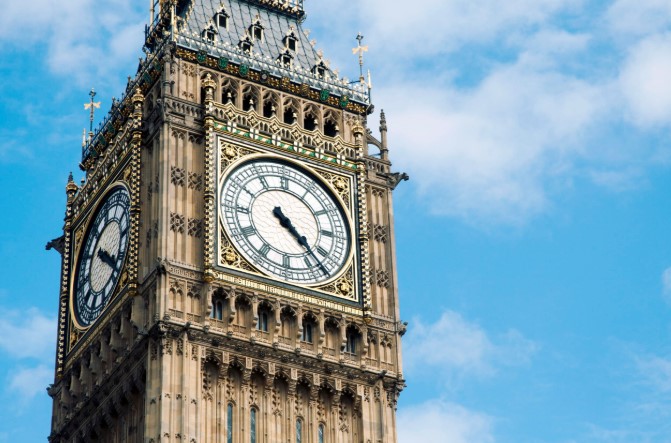
The phrase “Big Ben is not the clock, it’s the bell” highlights a common misconception about one of London’s most iconic landmarks. Many people mistakenly refer to the clock tower at the Palace of Westminster as Big Ben, when in fact, Big Ben is the name of the Great Bell housed within. This distinction is an important part of London’s cultural heritage, offering a glimpse into the city’s history.
Historically, Big Ben was named after Sir Benjamin Hall, who oversaw its installation in 1859. The clock tower itself, officially known as the Elizabeth Tower, was designed in the Gothic Revival style, adding to the city’s architectural grandeur. The bell, weighing 13.5 long tons, chimes on the hour and has become synonymous with London’s identity. This phrase serves to educate and clarify, reminding us of the nuances that define our understanding of historical landmarks.
Moreover, the bell’s deep, resonant chimes have become a symbol of timekeeping and tradition. As it tolls, it marks the passage of time for both locals and visitors alike, creating a sense of continuity. This connection to time adds to the charm of London, where the sound of Big Ben can evoke nostalgia and a sense of place. The phrase underscores the importance of precision in language and the relationship between names and identity.
In essence, “Big Ben is not the clock, it’s the bell” serves as a reminder of the richness of London’s history. It highlights the need to appreciate the details that make the city unique. This phrase encourages a deeper understanding of London, prompting people to cherish its landmarks and the stories behind them.
10- “London is a modern Babylon”

The phrase “London is a modern Babylon” draws a striking parallel between the ancient city of Babylon and contemporary London, as Benjamin Disraeli said. It suggests that, much like Babylon, London is a hub of diversity and cultural exchange. This comparison highlights the richness of the city’s heritage and its role as a centre for global interaction.
Historically, Babylon was known for its grandeur and multiculturalism. It was a city that embraced different cultures, languages, and traditions, much like modern London. The phrase encapsulates the idea that London is a city where people from various backgrounds come together, creating a vibrant tapestry of life. This coexistence fosters creativity and innovation, making London a dynamic place to live and work.
Additionally, the notion of London as a “modern Babylon” signifies the challenges that come with such diversity. With a population representing over 300 nationalities, the city faces complexities in social integration and community cohesion. This phrase reflects the ongoing dialogue about migration, belonging, and identity in a rapidly changing urban landscape. It serves as a reminder of the importance of inclusivity and understanding in a city that thrives on its differences.
Ultimately, “London is a modern Babylon” celebrates the city’s role as a crossroads of cultures and ideas. It highlights the significance of embracing diversity as a strength rather than a challenge. This phrase invites reflection on the richness of London’s identity and the shared experiences that unite its residents in this bustling metropolis.
Faq’s
What are English phrases about London used for?
English phrases about London often express the city’s local culture, humour, or historical references. These expressions capture the essence of life in London. They reflect the city’s fast pace, unique personality, and vibrant diversity. People use them to sound more relatable. Additionally, they help describe everyday experiences specific to the city.
Why are English phrases about London important to learn?
Learning these phrases helps you understand how locals speak and interact. These phrases often reference places, transport, weather, or lifestyle unique to London. Understanding them can make conversations smoother. Furthermore, it helps you feel more connected to the local culture.
Where can you hear English phrases about London being used?
You will often hear these phrases in casual conversations, TV shows, films, and public announcements. They are common in everyday speech among locals, especially in markets, pubs, or on public transport. Additionally, you can hear them in local media or comedy sketches that reflect London life.
Are English phrases about London easy for non-locals to understand?
These phrases can be tricky at first. They often involve slang, regional dialects, or cultural references that may not be obvious to outsiders. However, with exposure and practice, non-locals can pick them up easily. Many people find that using these phrases helps them fit in and feel more at home in the city.
How can someone learn English phrases about London naturally?
Spending time in London is the best way to learn. It allows you to hear the phrases in context. Watching British TV shows, listening to local radio, or chatting with Londoners also helps. Moreover, reading books or articles featuring conversations set in London can give you a good sense of how and when these phrases are used.