

¿Qué vas a encontrar aquí?
London, a city steeped in centuries of history, offers an unparalleled journey through time with its many places of ancient architecture in London. From towering stone structures to hidden medieval remnants, the city presents a rich tapestry of architectural evolution. These historical gems provide more than just aesthetic pleasure—they reveal stories of monarchs, empires, and eras long gone, blending seamlessly into the capital’s ever-changing landscape.
Exploring places of ancient architecture in London allows visitors and locals alike to appreciate the enduring craftsmanship and cultural heritage that shape the city’s character. These sites are not only visually striking but also serve as powerful reminders of London’s role in shaping British and world history. Whether you’re a history enthusiast, a student of architecture, or simply a curious explorer, these enduring landmarks offer a unique window into the past.
Best places of ancient architecture in London
When considering the best places of ancient architecture in London, one is struck by the sheer diversity and age of the structures spread throughout the city. Some sites date back more than a thousand years, featuring the architectural styles of different dynasties and periods. From Roman influences to Norman fortifications and Gothic grandeur, these landmarks collectively tell the story of a city that has survived conquests, fires, and revolutions.
In addition to their visual and historical appeal, these places of ancient architecture in London often serve as educational centres, cultural venues, or preserved heritage sites open to the public. Many offer guided tours, exhibitions, and interactive experiences that enrich one’s understanding of the city’s architectural legacy. They are not only treasured for their beauty but also for the knowledge and insight they provide into the evolution of London over the centuries.
1- Roman Wall

The Roman Wall in London is a remarkable remnant of the city’s ancient past. Constructed during the Roman occupation, this fortification once enclosed the settlement of Londinium. The wall, built from local stone and flint, showcases the engineering prowess of ancient Rome. Sections of the wall can still be seen today, standing as a testament to the city’s historical significance. Visitors can explore various points along the wall, particularly around the Barbican and the Museum of London.
This ancient structure has not only historical value but also architectural beauty. As you walk along the remains, you’ll notice the impressive thickness of the wall, designed to withstand attacks. The wall originally stood around 3.5 miles long, with several gates that controlled access to the city. Walking along the preserved sections, you can imagine the bustling life that once thrived within these walls.
The Roman Wall is a significant landmark for those interested in ancient architecture. It highlights the strategic importance of London as a trading hub in the Roman Empire. Moreover, the wall has been integrated into the contemporary urban landscape, demonstrating how history can coexist with modernity. The nearby Barbican Centre offers a striking juxtaposition to the ancient stones, showcasing London’s evolution over the centuries.
Seeing the Roman Wall is essential for anyone fascinated by historical architecture. It serves as a living museum of London’s Roman heritage. As you explore, you’ll find yourself immersed in the stories of those who walked these streets nearly two millennia ago. The wall invites contemplation on the passage of time and the resilience of ancient structures.
Web: https://www.cityoflondon.gov.uk/
2- Spencer House

Spencer House is a magnificent example of Georgian architecture nestled in the heart of St James’s. Built between 1756 and 1766 for the aristocratic Spencer family, this private palace is one of the finest of its kind in London. The house embodies the elegance and grandeur of the period, with its splendid façade and beautifully decorated interiors. Visitors can marvel at the intricate plasterwork and exquisite furniture that reflect the opulence of 18th-century high society.
The State Rooms of Spencer House are particularly noteworthy. These interconnected spaces were designed for entertaining and are adorned with stunning works of art. The grand ballroom, with its high ceilings and lavish decor, is a highlight. Each room tells a story, showcasing the wealth and status of the Spencer family. Following its restoration in the late 20th century, the house has regained its former glory, allowing guests to step back into a time of opulence and refinement.
Spencer House also hosts exclusive events, making it a sought-after venue. The combination of historical significance and architectural beauty creates an unparalleled atmosphere for weddings and corporate functions. The dedicated team ensures that every detail is attended to, providing a seamless experience for guests. This blend of history and modern functionality makes Spencer House a unique place to visit.
Experiencing Spencer House is like walking into a living piece of history. Guided tours offer insights into the architectural styles and the notable figures who have graced its halls. The house is not just a relic of the past; it is a vibrant part of London’s cultural landscape. A visit here enriches your understanding of the city’s aristocratic heritage, making it a must-see for those interested in ancient architecture.
Web: https://www.spencerhouse.co.uk/
3- Billingsgate Roman House & Baths
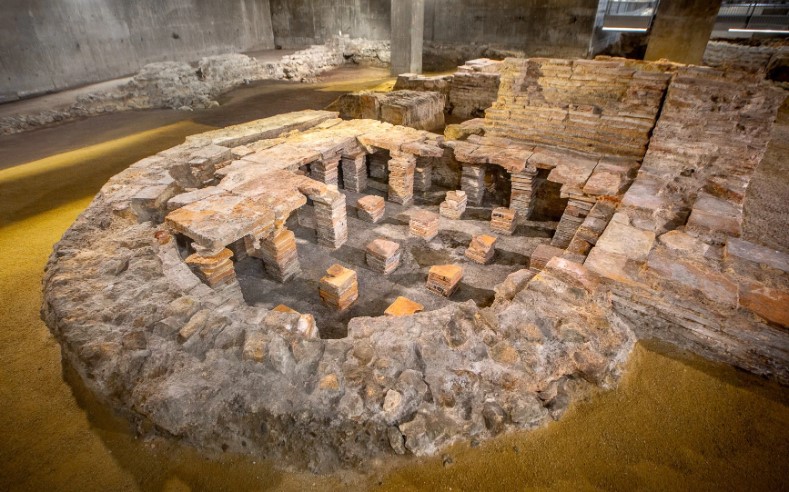
The Billingsgate Roman House and Baths present a fascinating glimpse into London’s ancient past. Discovered during excavations in the late 19th century, this site reveals the remnants of a Roman townhouse and bathing complex. The architecture showcases the sophistication of Roman urban living, featuring intricate mosaics and hypocaust heating systems. These baths were not merely places for hygiene; they were social hubs, reflecting the lifestyle of affluent Romans.
The site is a unique archaeological treasure in the heart of London. Visitors can explore the remains of the baths, including the tepidarium and caldarium. The detailed mosaics, with their vibrant patterns, illustrate the artistry and craftsmanship of the era. Each tile tells a story, evoking images of Romans enjoying leisure and socialising. The setting offers an immersive experience, allowing you to envision the daily lives of the city’s ancient inhabitants.
The Billingsgate Roman House & Baths is a testament to the architectural ingenuity of the Romans. The engineering behind the heating systems demonstrates their advanced understanding of comfort and hygiene. This site is not just about bricks and mortar; it’s about the people who lived and thrived in this space. The context in which these structures were built is integral to understanding their significance.
Visiting the Billingsgate Roman House & Baths is an enriching experience for history enthusiasts. The site reflects the broader narrative of Roman influence in London, contributing to the city’s identity. This archaeological site invites reflection on the legacy of Roman architecture and its lasting impact on urban development. It stands as a reminder of the sophisticated society that once flourished here, making it one of the key places of ancient architecture in London.
Web: https://www.thecityofldn.com/
4- St Bartholomew’s Gatehouse

St Bartholomew’s Gatehouse is a stunning example of medieval architecture in London. Constructed in the 15th century, this historic building served as the entrance to the Priory of St Bartholomew the Great. The Gatehouse features an impressive timber-framed structure, highlighting the craftsmanship of its time. Its ornate design and decorative stonework showcase the architectural styles prevalent during the medieval period, making it a significant landmark.
This gatehouse not only served a functional purpose but also played a vital role in the history of the area. It was part of a larger complex that included one of the oldest hospitals in London, founded by Rahere in 1123. The Gatehouse stands as a poignant reminder of the city’s rich ecclesiastical heritage. Visitors can admire the craftsmanship that has endured through centuries, with its intricate carvings and historical significance.
As you approach St Bartholomew’s Gatehouse, you can feel its historical weight. The surrounding area adds to its charm, with cobblestone streets and nearby ancient buildings. The gatehouse has been well-preserved, allowing guests to step back in time and experience the ambience of medieval London. It offers an intimate glimpse into the lives of those who passed through its archways centuries ago.
St Bartholomew’s Gatehouse is an essential stop for anyone interested in ancient architecture. Its historical context and architectural beauty make it a unique destination. The gatehouse not only represents a bygone era but also continues to be a focal point for the local community. Visiting this site allows one to appreciate the layers of history that define London, making it a memorable experience.
Web: https://www.greatstbarts.com/
5- Roman Fort Ruins

The Roman Fort Ruins in London are an extraordinary reminder of the city’s ancient military history. Constructed around AD 120, these fortifications were designed to protect Londinium from potential invasions. The remains of the fort can be found near the Tower of London, where visitors can see the impressive layout of its walls and defensive structures. The fort once housed Roman soldiers and served as a strategic military base.
Exploring the ruins offers a fascinating insight into Roman military architecture. The design of the fort was not only functional but also indicative of Roman engineering prowess. Visitors can observe the remains of the walls that delineated the fort’s boundaries, showcasing the defensive strategies employed during that time. Information panels provide context and details about the fort’s role in London’s history, enhancing the visitor experience.
The Roman Fort Ruins are a significant archaeological site within the city. They reflect the Roman influence on London’s development and the enduring legacy of their presence. The ruins are often incorporated into guided tours, allowing history enthusiasts to delve deeper into the stories that shaped the city. Walking through this area, you can sense the historical significance and the lives of those who once inhabited the fort.
Visiting the Roman Fort Ruins is essential for anyone interested in ancient architecture. This site serves as a portal to the past, inviting reflection on the Roman Empire’s impact on London. The fort is not just a collection of stones; it represents a pivotal part of the city’s narrative. As you explore the ruins, you gain a deeper appreciation for the complexities of London’s ancient heritage, making it a must-see for history buffs.
Web: https://www.cityoflondon.gov.uk/
6- Chiswick House and Gardens
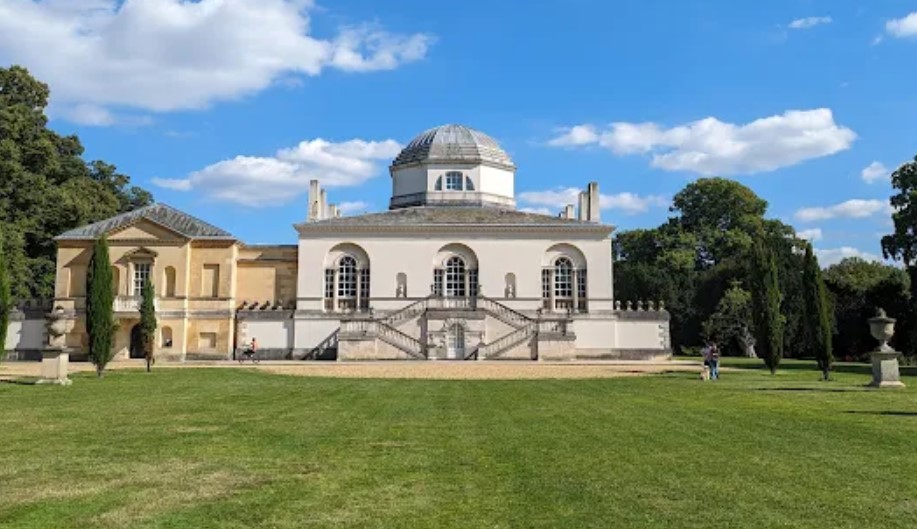
Chiswick House and Gardens is a stunning example of 18th-century Palladian architecture. Designed by Lord Burlington, this grand villa embodies classical elegance with its symmetrical façade and intricate detailing. The imposing columns and domed roof reflect the influence of Roman and Greek design, making it a masterpiece of historical architecture. The house stands as a testament to the refined tastes of the Georgian era.
Surrounding the villa, the expansive gardens offer a tranquil escape from the city’s bustle. The landscape, inspired by classical ideals, features winding paths, ornamental lakes, and carefully curated flora. The gardens were among the first in England to embrace the naturalistic style, setting a precedent for future designs. Visitors can explore the Kitchen Garden, a thriving space that connects the community with nature.
Inside, the lavish interiors showcase intricate stucco work and opulent furnishings, reflecting the grandeur of the period. The rooms are adorned with fine art and decorative elements that highlight the aristocratic lifestyle of its former residents. The house has hosted numerous historical figures, adding to its rich legacy. Every corner of the estate exudes sophistication and historical significance.
Today, Chiswick House and Gardens remains a cherished cultural landmark, welcoming visitors to experience its architectural splendour. The estate hosts various events, from outdoor theatre performances to seasonal markets, ensuring a dynamic atmosphere. Whether admiring the villa’s façade or strolling through the gardens, this site offers a glimpse into London’s architectural heritage.
Web: https://chiswickhouseandgardens.org.uk/
7- Gwrych Castle
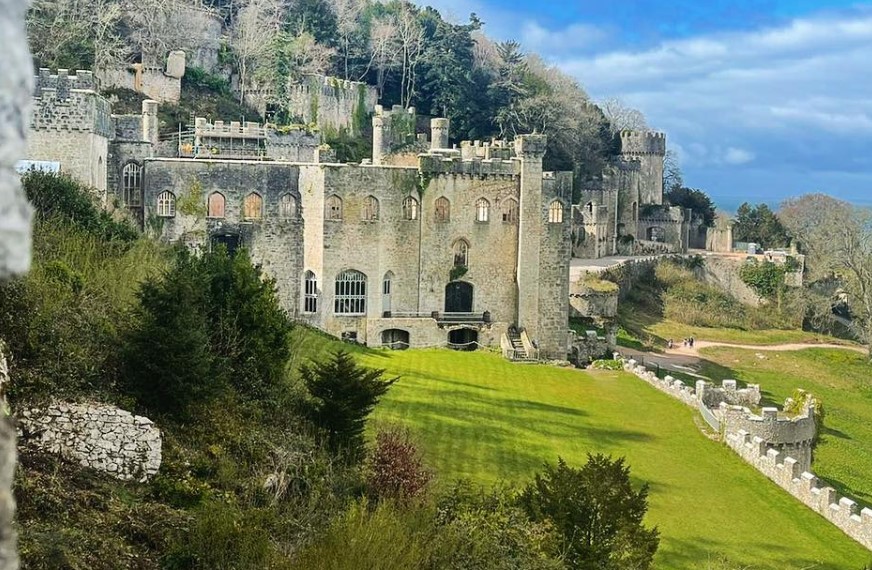
Gwrych Castle is a majestic 19th-century fortress nestled in the Welsh countryside. Built between 1819 and 1825, this Gothic Revival masterpiece boasts towering battlements and intricate stonework. Moreover, the castle’s design reflects medieval influences, creating an imposing yet romantic silhouette against the landscape. Its historical significance is deeply rooted in the British aristocracy.
The castle’s interior once housed opulent furnishings and grand halls, showcasing the wealth and status of its original owners. Though now partially in ruins, the remnants of its grandeur remain evident. Visitors can explore the estate and uncover the stories of its past residents. The castle’s restoration efforts aim to preserve its architectural beauty for future generations.
Surrounding the castle, the lush gardens and scenic views enhance its enchanting appeal. The estate offers breathtaking panoramas of the coastline, making it a picturesque destination. The castle has also gained modern fame as a filming location, adding to its allure. Its blend of history and cinematic charm makes it a must-visit site.
Gwrych Castle continues to captivate visitors with its rich history and striking architecture. Whether exploring its ruins or attending special events, guests can immerse themselves in its storied past. The castle stands as a testament to Britain’s architectural evolution, preserving the grandeur of a bygone era.
Web: https://www.gwrychcastle.co.uk/
8- Wellington Arch
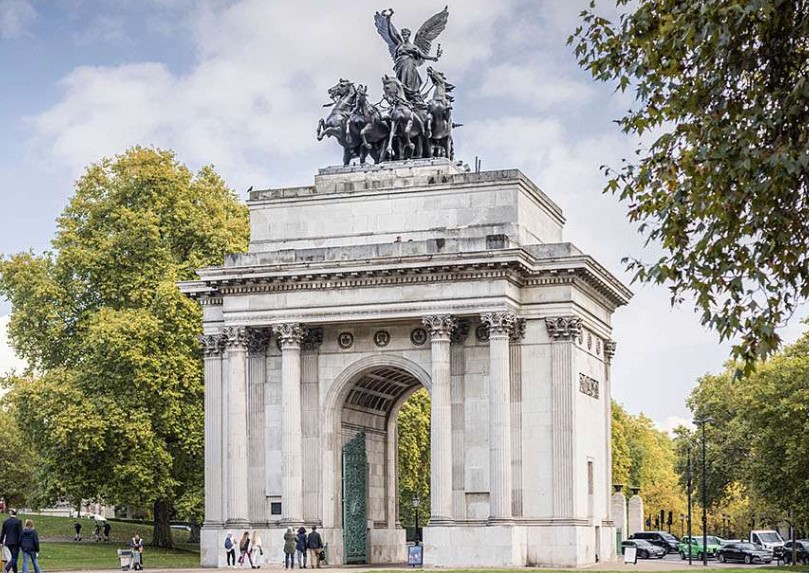
Wellington Arch is a monumental gateway that stands proudly at Hyde Park Corner. Originally built in 1825–27, it was intended as an entrance to Buckingham Palace. In addition, the structure features a grand archway crowned by the largest bronze sculpture in Europe, depicting the Angel of Peace descending on the Chariot of War. Its neoclassical design embodies the triumphal spirit of the era.
The arch’s historical significance is tied to Britain’s military victories, particularly the defeat of Napoleon. Over the years, it has undergone modifications, including the relocation of the Duke of Wellington’s statue. The structure’s imposing presence and detailed craftsmanship make it a standout piece of London’s architectural heritage.
Visitors can climb to the balconies for panoramic views of central London, offering a unique perspective of the city. The arch also houses exhibitions that delve into its fascinating history. The Household Cavalry often passes beneath it, adding a ceremonial touch to its grandeur.
Wellington Arch remains a symbol of Britain’s architectural and historical legacy. Whether admiring its intricate details or exploring its exhibitions, visitors can appreciate its role in shaping London’s landscape. The arch stands as a tribute to the nation’s resilience and artistic excellence.
Web: https://www.english-heritage.org.uk/
9- Buckingham Palace
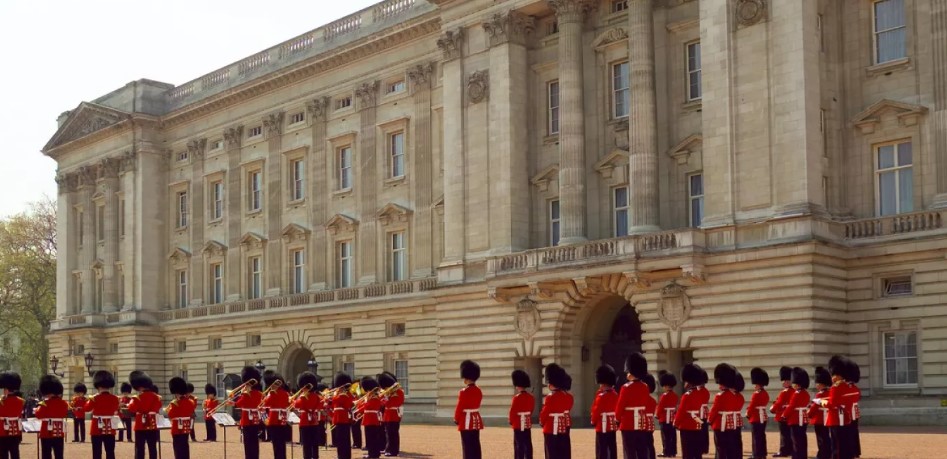
Buckingham Palace is one of the most iconic royal residences in the world. Originally built as Buckingham House in 1703, it was later transformed into a grand palace. The neoclassical façade, adorned with Corinthian columns and intricate stonework, reflects the elegance of the British monarchy. The palace serves as the official residence of the reigning monarch.
Inside, the State Rooms showcase opulent interiors, featuring gilded ceilings, crystal chandeliers, and priceless artworks. Each room is meticulously designed to exude regal splendour. The Throne Room, Ballroom, and White Drawing Room are among the most notable spaces. The palace’s architectural grandeur is matched by its historical significance.
The palace gardens provide a serene retreat, featuring manicured lawns and vibrant floral displays. The Changing of the Guard ceremony adds to its cultural appeal, drawing visitors from around the world. The palace’s blend of tradition and architectural brilliance makes it a must-see landmark.
Buckingham Palace continues to be a symbol of British heritage and royal prestige. Whether exploring its interiors or witnessing its ceremonies, visitors can experience the grandeur of the monarchy. The palace stands as a testament to Britain’s architectural and historical legacy.
Web: https://www.rct.uk/
10- Tower Bridge

Tower Bridge is one of London’s most recognisable landmarks, blending Victorian engineering with Gothic Revival aesthetics. Completed in 1894, this bascule and suspension bridge spans the River Thames. Its twin towers, adorned with intricate stonework, create a striking silhouette against the skyline.
The bridge’s mechanical ingenuity allows it to lift for passing ships, showcasing the brilliance of 19th-century engineering. Visitors can explore the high-level walkways and glass floors, offering breathtaking views of the city. The Victorian Engine Rooms provide insight into the bridge’s original hydraulic system.
Tower Bridge’s historical significance is tied to London’s growth and maritime heritage. It remains a vital crossing point while serving as a cultural attraction. The bridge’s blend of functionality and architectural beauty makes it a standout feature of the city.
Today, Tower Bridge continues to captivate visitors with its timeless design and engineering marvels. Whether walking across its span or exploring its exhibitions, guests can appreciate its role in London’s history. The bridge stands as a testament to innovation and artistic excellence.
Web: https://www.towerbridge.org.uk/
Faq’s
What makes the places of ancient architecture in London worth visiting?
The places of ancient architecture in London offer a glimpse into the city’s long and complex history. These sites reflect a blend of different architectural styles, from Roman to Gothic, and showcase the craftsmanship of past centuries. Visiting them provides a deeper understanding of London’s cultural evolution and its role in shaping British heritage.
How old are some of the places of ancient architecture in London?
Many of the places of ancient architecture in London date back hundreds, even thousands, of years. Some structures have Roman origins, while others were built during the medieval or Tudor periods. These buildings have survived wars, fires, and modern development, making them living examples of resilience and historical significance.
Are the places of ancient architecture in London accessible to tourists?
Yes, most of the places of ancient architecture in London are open to the public, often with guided tours and exhibitions. Accessibility may vary depending on the site, but many are equipped with visitor facilities, including information centres, audio guides, and sometimes even interactive displays. It’s always a good idea to check in advance for opening hours and ticket requirements.
Why are the places of ancient architecture in London important for education?
The places of ancient architecture in London serve as valuable educational resources, offering insights into history, engineering, and art. Also, they help students and researchers explore how cities evolved, how people lived in the past, and how architecture reflects societal values. These sites are often integrated into school curricula and academic studies.
How have the places of ancient architecture in London been preserved?
The preservation of places of ancient architecture in London involves careful restoration and ongoing maintenance. Conservation efforts are often managed by heritage organisations that ensure the structures remain intact while retaining their original features. Modern technology is also used to monitor the condition of these sites and prevent further decay.