

¿Qué vas a encontrar aquí?
London has long been a city of creativity, innovation, and progress. Over the centuries, it has been home to some of the most groundbreaking ideas that have shaped the way we live today. From major breakthroughs in science and technology to clever everyday tools, the range of inventions from London highlights the city’s enduring influence on global development.
What makes inventions from London so remarkable is their lasting impact and relevance. Many of these ideas have evolved over time, but still remain at the heart of modern industries and lifestyles. Whether they solved problems, changed habits, or revolutionised whole sectors, these creations continue to inspire new generations of inventors and thinkers.
Best inventions from London
The legacy of inventions from London is not only a testament to the city’s past ingenuity but also a foundation for ongoing discovery. These innovations often emerged from a blend of practical needs, academic exploration, and a willingness to challenge existing norms. Some began in modest settings—workshops, laboratories, even kitchens—before growing into essential elements of daily life.
Looking at the broader picture, inventions from London have contributed to a wide range of fields, including health, communication, and public safety. They reflect a deep culture of experimentation and problem-solving that continues to thrive. Understanding these developments helps us appreciate how one city’s creative spirit can have a worldwide impact.
1- London Underground (the first in the world)

The London Underground stands as the first metropolitan railway in the world. Its inception in 1863 marked a revolutionary moment in urban transport. This innovative system allowed commuters to traverse the bustling streets of London beneath the surface, significantly reducing travel time. Engineers used cutting-edge cut-and-cover techniques to create the tunnels, allowing for minimal disruption to the city above. The initial line, connecting Paddington to Farringdon, quickly garnered popularity, illustrating the demand for efficient urban transit.
The design of the Underground was unprecedented for its era. It showcased the potential of underground rail systems to alleviate congestion on the streets. As the network expanded, more lines and stations were added, serving a growing population of commuters. This expansion transformed the Underground into a vital part of London’s identity. Iconic elements such as the roundel logo and unique station designs became synonymous with the city, highlighting its cultural significance.
The Underground has also influenced various aspects of life beyond transportation. It has played a role in shaping London’s social fabric, providing access to jobs, education, and leisure activities across the city. The system’s impact is evident in its ability to connect diverse communities and facilitate movement. This connectivity has contributed to the vibrancy of London, making it a bustling metropolis where people from different backgrounds intersect.
Over the years, the London Underground has evolved to meet modern demands. Technological advancements have led to improvements in safety, efficiency, and customer service. The Underground continues to adapt, ensuring it remains a cornerstone of public transport for millions every day. Its historical significance and ongoing evolution showcase London’s role as a hub of innovation and progress in urban transport.
Inventor and date: Metropolitan Railway Company, 1863
2- Traffic light
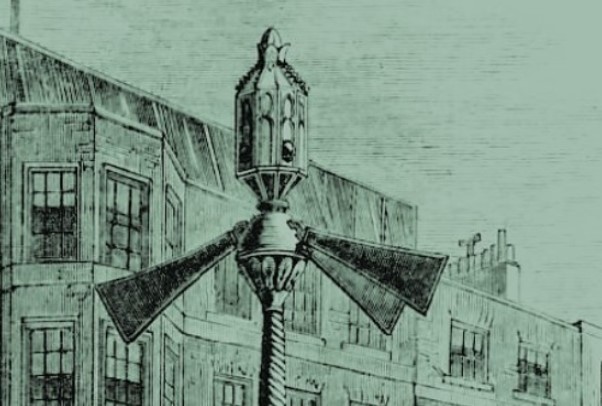
The traffic light is a pivotal invention that has fundamentally changed road safety across the globe. Introduced in London in 1868, it was developed to manage the increasing number of vehicles navigating the streets. The first version was gas-powered and manually operated, highlighting the need for an efficient traffic management system. This device sought to prevent accidents at busy intersections during a time when urban traffic was on the rise.
The design of the traffic light has undergone significant evolution since its inception. Initially, it featured only two colours: red and green. Red indicated a stop, while green signalled vehicles to proceed. The later addition of yellow lights introduced a critical transitional phase, enhancing safety for both drivers and pedestrians. This evolution has made traffic management more intuitive and effective, contributing to safer roadways.
Beyond functionality, traffic lights have influenced urban planning and design. Cities have adapted their layouts around these signals, creating safer environments for all road users. The uniformity of traffic lights has contributed to a standardised approach to road safety worldwide. This consistency is crucial for international driving, making navigation easier for travellers and ensuring a smoother flow of traffic.
In contemporary society, traffic lights continue to play an essential role. With advancements in technology, modern traffic lights are often equipped with sensors and timers to optimise traffic flow. These innovations enhance safety and efficiency, further solidifying the traffic light’s importance as a cornerstone of road safety. As urban areas continue to grow, the role of traffic lights will only become more vital in ensuring safe and orderly transportation.
Inventor and date: John Peake Knight, 1868
3- Scotch egg

The Scotch egg is a delightful culinary invention that exemplifies British ingenuity. This iconic dish comprises a hard or soft-boiled egg encased in seasoned sausage meat and coated in breadcrumbs. Originating in London during the 18th century, it was created as a convenient snack for those on the go. Its hearty composition made it particularly popular among the working class, providing a satisfying and portable meal option.
The preparation method for Scotch eggs reflects the creativity inherent in British cuisine. The process begins with boiling the egg, followed by cooling and peeling it. Then, the egg is wrapped in a layer of sausage meat, infused with herbs and spices for added flavour. Finally, it is rolled in breadcrumbs and deep-fried or baked until golden and crispy. This technique results in a delightful combination of textures and flavours, pleasing many palates.
Over the years, Scotch eggs have evolved into a beloved staple at picnics and social gatherings. Their ability to be served cold makes them ideal for outdoor events and parties. Many pubs and restaurants across the UK have developed unique variations of this classic dish, incorporating different ingredients and styles to keep it exciting. This adaptability has helped maintain the Scotch egg’s popularity through generations.
The Scotch egg is more than just a snack; it represents a rich culinary tradition. Its origins in London and subsequent evolution reflect the creativity and resourcefulness of British gastronomy. As a cherished treat, the Scotch egg continues to delight food lovers, solidifying its place in the hearts of many and in the tapestry of British cuisine.
Inventor and date: Fortnum & Mason, 1738
4- Computer programming (Ada Lovelace)
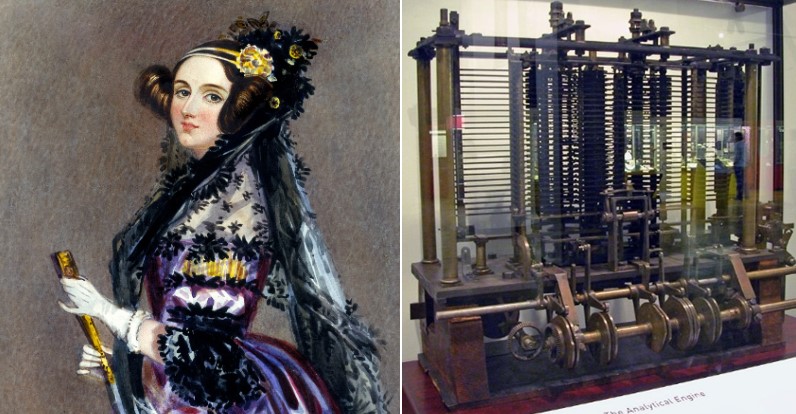
Ada Lovelace is celebrated as the first computer programmer, thanks to her pioneering work in the 19th century. Born in London in 1815, she collaborated with Charles Babbage on his early mechanical general-purpose computer, the Analytical Engine. Her visionary insights laid the groundwork for modern computing, marking her as a significant figure in the history of technology.
Lovelace’s most notable contribution lies in her detailed notes on the Analytical Engine. In these writings, she outlined an algorithm intended for processing by the machine, establishing herself as a pioneering programmer. This recognition that computers could transcend mere calculations paved the way for future programming and computational theory. Her foresight into the capabilities of machines was truly revolutionary.
Lovelace’s unique perspective combined mathematics and creativity, setting her apart from her contemporaries. She envisioned potential applications for computers far beyond numerical calculations, seeing them as tools for art and scientific exploration. This holistic understanding of technology’s role in society was ahead of her time, inspiring future generations of programmers and thinkers. Her legacy emphasises the importance of imagination in driving innovation.
Today, Ada Lovelace’s contributions continue to resonate within the field of computer science. Her work has inspired countless individuals, particularly women in technology. The recognition of her achievements highlights the vital role of diversity in innovation. Lovelace’s story remains a testament to the power of vision and creativity in shaping the future of technology.
Inventor and date: Ada Lovelace, 1843
5- Bowler hat

The bowler hat is a quintessential British accessory that has become a timeless symbol of style. Created in London in 1849, this iconic headwear was designed for both practicality and elegance. Initially made for the working class, it quickly gained popularity among the upper classes. The bowler hat became synonymous with British gentility, representing a refined fashion choice for gentlemen.
The design of the bowler hat is distinctive and practical. With its rounded crown and narrow brim, it creates a unique silhouette that sets it apart from other hats. Crafted from felt or wool, the bowler is both durable and stylish. Designed to withstand the rigours of urban life, it became a go-to accessory for the fashionable gentleman. This combination of form and function contributes to its lasting appeal.
In popular culture, the bowler hat has made significant appearances in literature, film, and art. Often symbolising British culture and identity, it has adorned whimsical characters and dapper gentlemen alike. Its versatility allows it to be worn in both formal and casual settings, making it a quintessential accessory for various occasions, from weddings to everyday wear.
The bowler hat continues to capture the imagination of fashion enthusiasts today. Designers often incorporate this classic piece into modern styles, ensuring its relevance in contemporary wardrobes. As a cherished item, the bowler hat remains a symbol of British heritage, celebrating a rich history that transcends generations.
Inventor and date: Thomas Bowler, 1849
6- Acoustic telephone (Robert Hooke)
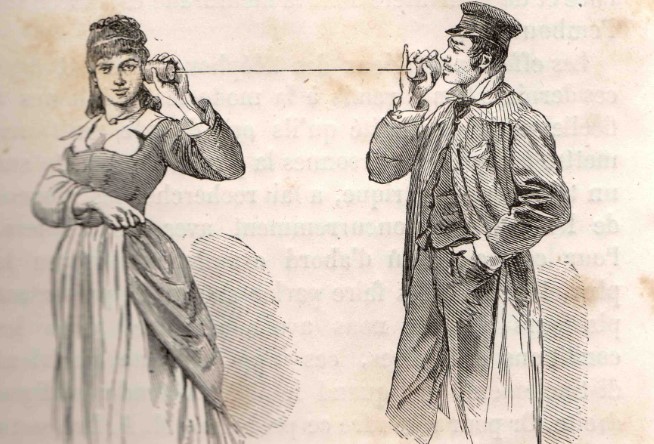
The acoustic telephone, invented by Robert Hooke, marked a significant leap in the realm of communication. Developed in the 17th century, this innovative device allowed people to transmit sound over distances. Hooke’s design used a diaphragm and a series of tubes, enabling voice transmission in a way that was unprecedented for its time. This groundbreaking invention laid the foundation for the development of future telephone technologies.
Hooke’s acoustic telephone demonstrated the principles of sound transmission effectively. By converting sound waves into mechanical vibrations, the device facilitated clearer communication between individuals. This transformation of sound into a medium that could travel over distances was revolutionary. It paved the way for the eventual creation of the electric telephone, which would become integral to modern communication.
The implications of the acoustic telephone extended beyond mere convenience. It transformed social interactions and commerce, allowing people to communicate in ways that had previously been impossible. As urban centres grew, the need for effective communication became paramount. Hooke’s invention addressed this need, contributing to the development of a more interconnected society.
Despite its limitations compared to modern telephones, the acoustic telephone represents a crucial step in communication history. Hooke’s ingenuity in creating a device that harnessed the principles of sound set the stage for future advancements. His work exemplifies the spirit of innovation that has driven technological progress throughout history.
Inventor and date: Robert Hooke, 1665
7- Daily newspaper (Daily Courant)
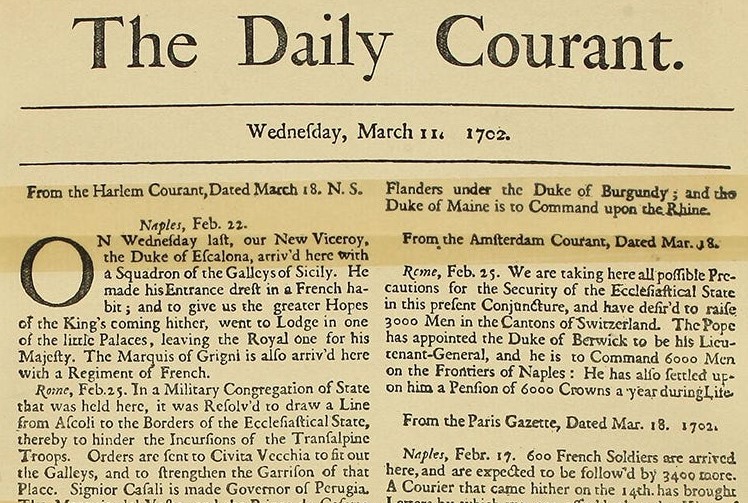
The Daily Courant, introduced in London in 1702, is considered the first daily newspaper in the world. This pioneering publication played a vital role in shaping modern journalism. Established by Edward Mallet, the Daily Courant provided readers with news and information from both domestic and international sources. Its creation marked a significant shift in how news was disseminated to the public.
The format of the Daily Courant set a precedent for future newspapers. It featured a straightforward layout that included reports on various topics, including politics, trade, and society. This approach to news reporting transformed the way information was communicated. The paper’s focus on current events encouraged public discourse and informed citizenry, laying the groundwork for the role of newspapers in democratic societies.
The impact of the Daily Courant extended beyond London. It inspired the establishment of other newspapers across Britain and beyond, contributing to the growth of print media. As literacy rates rose, the demand for news increased, leading to the proliferation of daily publications. This expansion not only provided a platform for diverse voices but also fostered a culture of accountability among those in power.
The legacy of the Daily Courant is evident in today’s media landscape. Its influence on journalism can still be seen in modern newspapers and online news platforms. As a pioneer of daily news reporting, the Daily Courant remains a significant milestone in the evolution of journalism. Its introduction marked the beginning of an era where information became accessible to the masses.
Inventor and date: Edward Mallet, 1702
8- Ping pong
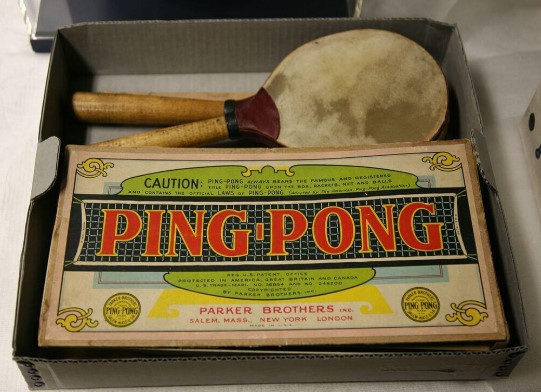
Ping pong, or table tennis, emerged as a popular indoor sport originating in London during the late 19th century. Initially played as a parlour game by the upper class, it quickly gained traction among a wider audience. The early versions of the game used makeshift equipment, including a simple wooden board, a few balls, and various household items as paddles. This informal setup laid the foundation for what would become a globally beloved sport.
The development of official rules and equipment marked a significant evolution in ping pong. In 1901, the game began to formalise with the creation of specific rules and the introduction of standardised equipment. The first official tournament took place in 1902, showcasing the growing popularity of the sport. As interest surged, manufacturers began producing specialised paddles and balls, enhancing the overall playing experience.
Ping pong’s rapid rise in popularity led to the formation of governing bodies. The International Table Tennis Federation (ITTF) was established in 1924, further promoting the sport on a global scale. The inclusion of ping pong in the Olympic Games in 1988 solidified its status as a competitive sport. This recognition encouraged participation at all levels, from casual players to elite athletes.
Today, ping pong enjoys immense popularity worldwide. It is played in homes, schools, and professional arenas, appealing to people of all ages. The game’s accessibility and fast-paced nature contribute to its enduring appeal. As a testament to its origins, ping pong continues to captivate players and spectators alike, celebrating its rich history and evolution.
Inventor and date: Unknown (Late 19th century)
9- Vacuum cleaner
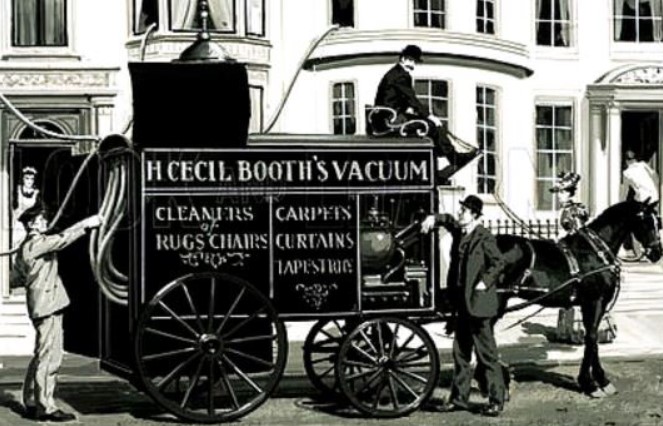
The vacuum cleaner revolutionised household cleaning practices with its invention in the late 19th century. In London, Hubert Cecil Booth invented the first powered vacuum cleaner in 1901. His design featured a large, horse-drawn machine that used suction to remove dirt from carpets and upholstery. This invention marked a significant advancement in domestic technology, making cleaning more efficient and effective.
Booth’s vacuum cleaner employed a unique mechanism that set it apart from manual cleaning methods. By harnessing suction power, it could remove dust and debris that traditional methods often left behind. This innovation significantly reduced the time and effort required for cleaning, transforming household chores. The emergence of vacuum cleaners changed how people viewed cleanliness and home maintenance.
Following Booth’s invention, the vacuum cleaner saw rapid advancements in design and functionality. Many inventors began developing smaller, more user-friendly models for domestic use. By the 1920s, electric vacuum cleaners became widely available, further increasing their popularity. This accessibility allowed more households to adopt this innovative cleaning tool, making it a staple in homes across the globe.
Today, vacuum cleaners come in various designs and technologies, catering to diverse cleaning needs. From upright models to robotic vacuums, the evolution of this essential household appliance continues. The vacuum cleaner remains a testament to human ingenuity, reflecting how innovation can simplify everyday tasks and enhance our quality of life.
Inventor and date: Hubert Cecil Booth, 1901
10- Sewing machine
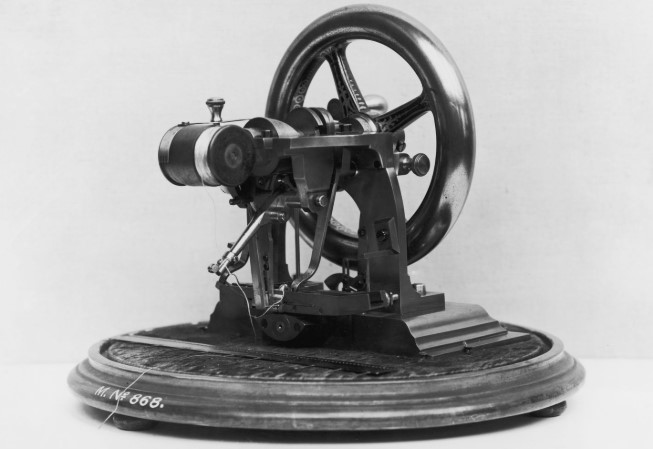
The sewing machine revolutionised the textile industry with its invention in the 19th century. In London, Elias Howe patented the first practical sewing machine in 1846. This innovative device mechanised the process of stitching fabric, significantly increasing productivity compared to hand sewing. Howe’s invention marked a pivotal moment in garment production, forever changing the fashion industry.
The design of Howe’s sewing machine incorporated several innovative features. It used a lockstitch mechanism, allowing for stronger and more durable seams. This advancement made sewing faster and more efficient, enabling the mass production of clothing. The introduction of the sewing machine also helped democratise fashion, making garments more affordable and accessible to the general public.
Following Howe’s invention, various improvements and modifications emerged. Other inventors, such as Isaac Merritt Singer, built upon Howe’s design, introducing new features that enhanced usability and efficiency. By the late 19th century, sewing machines became commonplace in households and factories alike. This widespread adoption contributed to the growth of the textile industry, creating jobs and fostering economic development.
Today, sewing machines continue to play a vital role in both fashion and textile production. Modern machines come equipped with advanced features, including automatic threading and various stitch patterns. The sewing machine remains an essential tool for both hobbyists and professionals, reflecting the enduring impact of this innovative invention on the world of textiles.
Inventor and date: Elias Howe, 1846
Faq’s
What makes inventions from London stand out globally?
Inventions from London are known for their impact across various industries, including science, technology, and everyday life. The city has long been a centre of innovation due to its strong educational institutions, vibrant economy, and diverse population. These factors create a unique environment that encourages groundbreaking ideas and continuous development.
Why are inventions from London important in modern society?
Inventions from London have played a key role in shaping how we live, work, and interact with the world. Many of these creations have led to improvements in public health, communication, and industrial efficiency. Their influence often extends beyond the UK, benefiting people and industries across the globe.
How have inventions from London contributed to technological progress?
Technological progress has been significantly influenced by inventions from London, which often introduce new ways of thinking and problem-solving. These innovations frequently lead to the development of new tools, systems, and methods that enhance productivity and convenience. Their contributions can be seen in various sectors, from healthcare to transportation.
What are the main areas influenced by inventions from London?
Inventions from London have made notable contributions in areas such as science, medicine, transport, engineering, and communications. They often emerge from a strong culture of research and experimentation. These innovations help improve quality of life, streamline complex processes, and open doors to new possibilities in different fields.
Are inventions from London still relevant today?
Yes, many inventions from London continue to influence modern technologies and practices. Their relevance can be seen in how widely they are used and adapted in current systems and devices. Even today, new developments inspired by earlier inventions from the city are still emerging and being refined.